
Giving Young People a Voice Through Music
For more than ten years, the Hilti Foundation has supported social music initiatives around the world with the aim of opening up new opportunities for children and young people facing difficult circumstances. Kerstin Appel has led the Foundation’s Music for Social Development program for over six months, bringing her passion for music and social causes to the role. In this interview, she explains why music is much more than sound and how it can become a powerful driver of societal change. “Music creates a connection that can be measured in the body and felt in the heart,” she says. A statement that perfectly captures the essence of the program.
Ms. Appel, what is the mission of Music for Social Development?
The mission and objective of Music for Social Development is to foster the social development of children and young people from disadvantaged backgrounds through free access to music education. By playing in orchestras, singing in choirs, or participating in other musical groups, young people learn values such as teamwork, responsibility, and self-confidence. Making music together provides a safe and supportive environment where they can grow and develop.
And the idea is that they all become professional musicians?
First and foremost, it is not about discovering musical talent. Whether these children eventually become hairdressers, doctors, or violinists is not what matters. The goal is to provide disadvantaged children and young people with better opportunities in life and help them move away from violence, poverty, and hopelessness.
Music is used as a tool to support personal development and, in doing so, to create social change on a broader societal level. The Hilti Foundation’s strategy focuses on long-term initiatives that drive systemic change. It is committed to creating sustainable positive impact for individuals as well as for communities and society as a whole. Ultimately, this is a form of socio-political engagement.
Why is music particularly well suited to bring about this kind of change?
Music tends to be less divided along gender lines, and it is generally less competitive than sports. Music speaks a universal language that transcends national borders. In a way, it serves as a multicultural ambassador.
And what impact can music have on individuals?
Music has a positive effect on the brain. For example, the so-called “cuddle hormone” oxytocin, which is released through physical closeness such as a hug, strengthens the immune system and helps reduce stress, anxiety, and pain. Making music together leads to a significant increase in oxytocin levels.
This makes it clear: music creates a connection that can be measured in the body and felt in the heart. As Nick Cave sings in Spinning Song: “The song, it spins, it spins, it spins.” Music draws people in and carries them along.
Are there projects in the region that the Hilti Foundation supports?
For many years, the Hilti Foundation has been active in South America, Africa, and Europe, including Austria. It supports the Bregenz Festival and promotes the work of the Mozarteum Foundation in Salzburg.
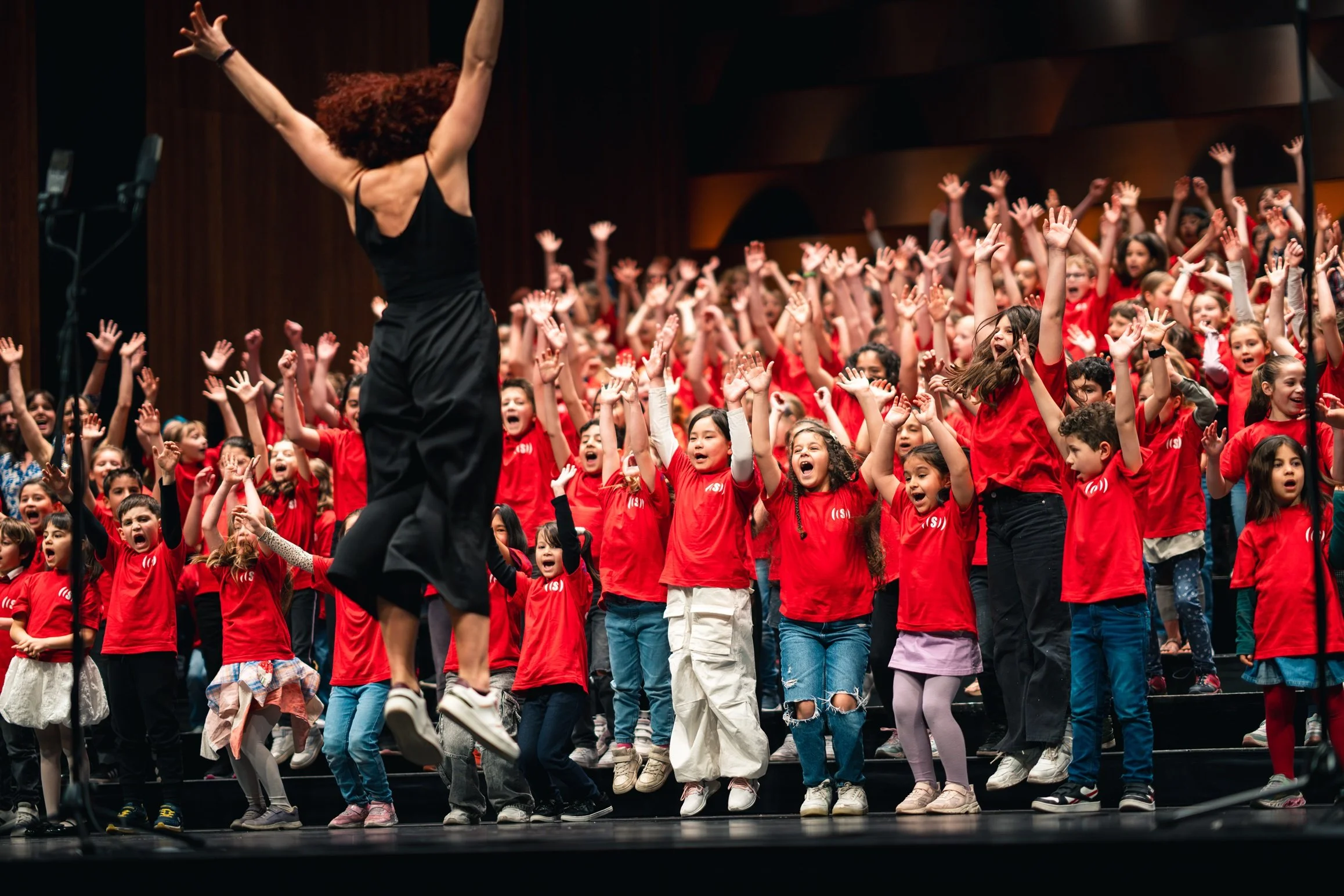
Another organization close to the Foundation’s heart is Superar, an initiative established by Caritas, the Vienna Boys Choir, and the Vienna Konzerthaus. Superar provides music education to children regardless of their cultural, religious, linguistic, or economic background. It is a flagship social project that has expanded from Vienna into seven countries since its founding.
Superar
How does the Hilti Foundation support its partner organizations beyond financial assistance?
We see ourselves as a long-term partner. In addition to financial support, we promote the exchange of knowledge, the professional development of organizations, and the building of bridges between various stakeholders in the music sector. We often bring together partners from different worlds, such as social music programs, educational institutions, or established cultural organizations. It is precisely this exchange that creates new perspectives and strengthens the community.
What role can private foundations play in the field of Music for Social Development?
Public institutions, civil society organizations, and private donors each make important contributions. Private foundations can add value where long-term perspectives, innovation, or organizational development are needed. For the Hilti Foundation, the central question is always where we can achieve the greatest possible social impact with our resources.
Can you give some examples of these criteria?
The social and integrative dimension must play a significant role in the work of our partner organizations. The Foundation’s purpose is to empower people to lead self-determined and independent lives. Music is simply the means through which we pursue this goal.
I often think of an orchestra as a society. The conductor provides leadership, while section leaders support and guide others. If one instrument is missing, the orchestra is incomplete. Through playing in an orchestra, children and young people learn that they are valuable members of society and that they also carry social responsibility.
Beyond financial support, how does the Hilti Foundation influence the work of these initiatives?
One defining characteristic of the Hilti Foundation is its commitment to long-term partnerships. This means we also provide strategic support in areas beyond funding.
For example, many social music organizations lack a clear strategy or specific expertise in management structures. We work alongside them and help them on their journey toward greater professionalism and organizational development.
How can the success of the Foundation’s engagement be measured?
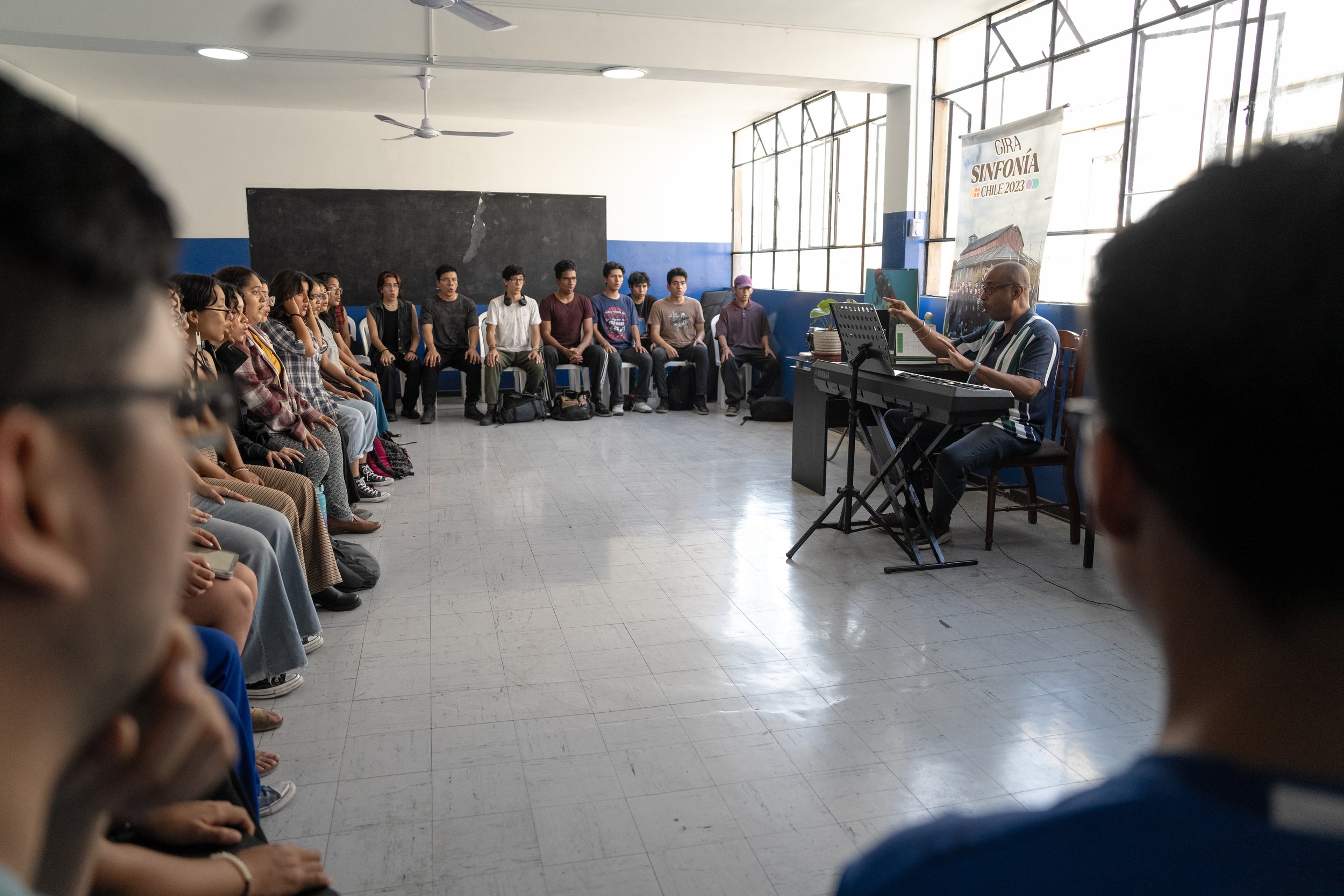
One study found that teenage pregnancies among participants in the Sinfonía por el Perú program in Lima were 75 percent lower than among other young people in the city.
How can that be explained?
Through participation in a choir or orchestra, girls learn that saying “no” is entirely natural, and they carry that confidence into other areas of their lives.
More generally, playing in an orchestra increases the self-confidence of young musicians by around 30 percent. These are significant and meaningful numbers. At the same time, there is truth in the saying: “You need numbers for the mind and stories for the heart.”
What stories have touched you personally?
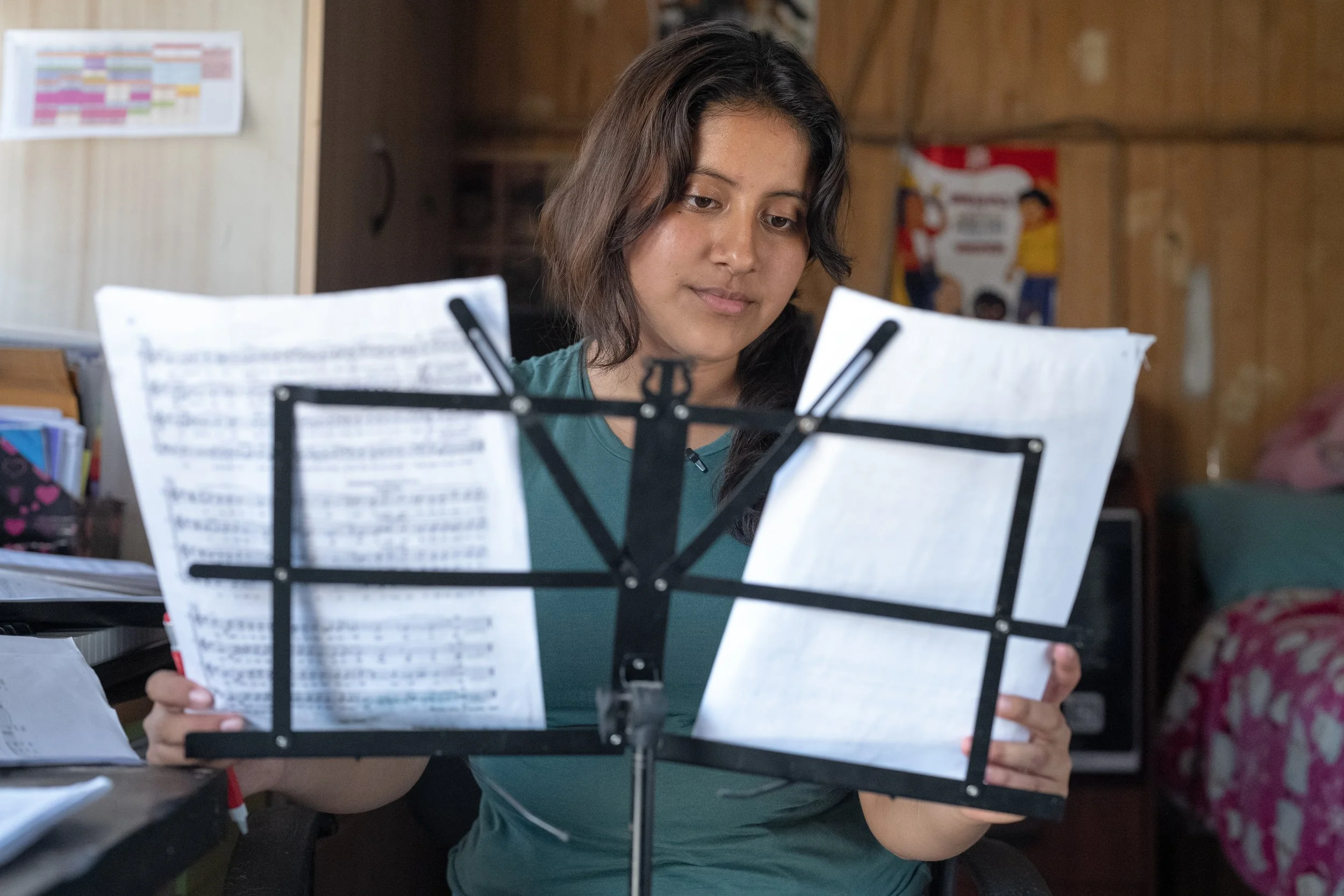
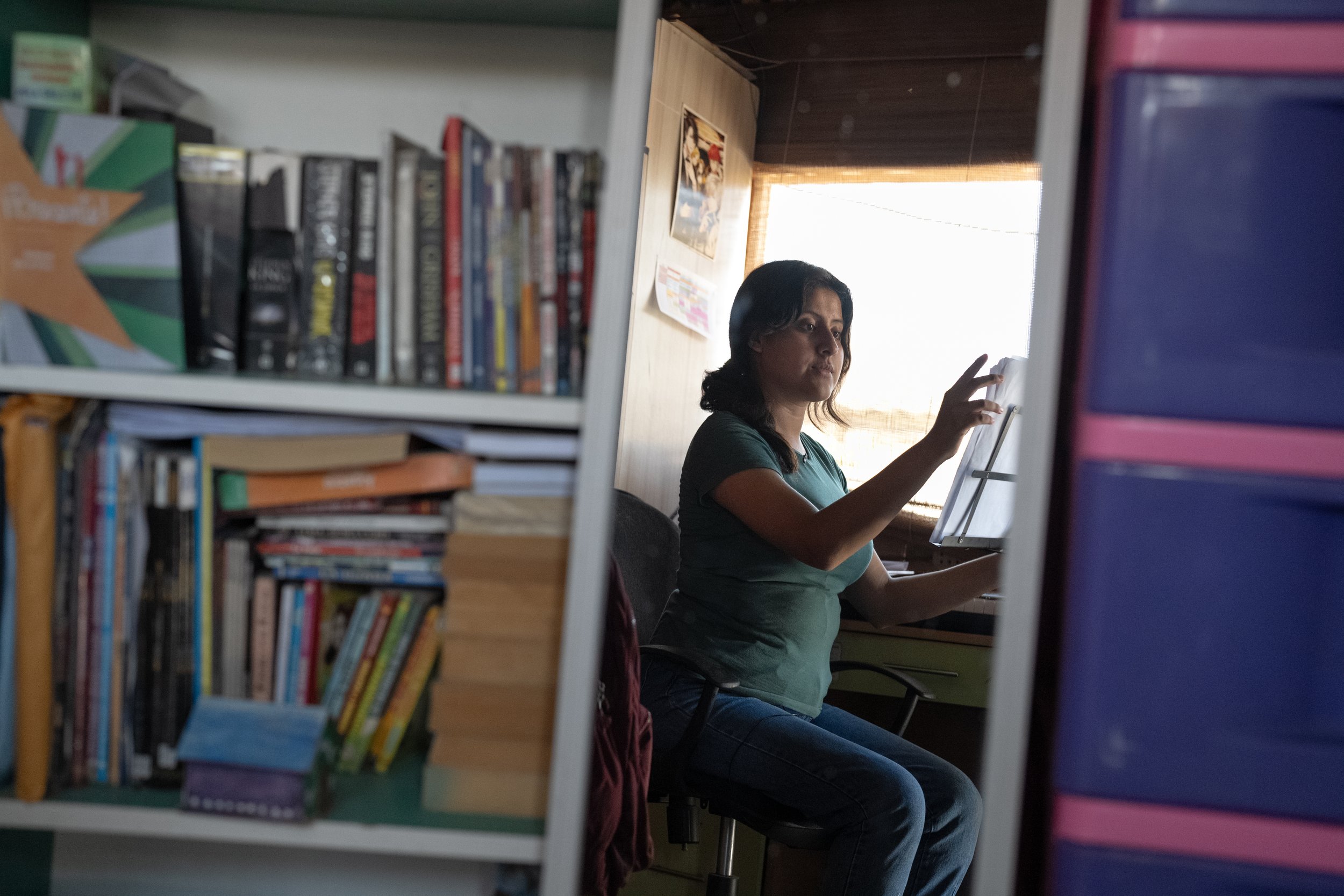
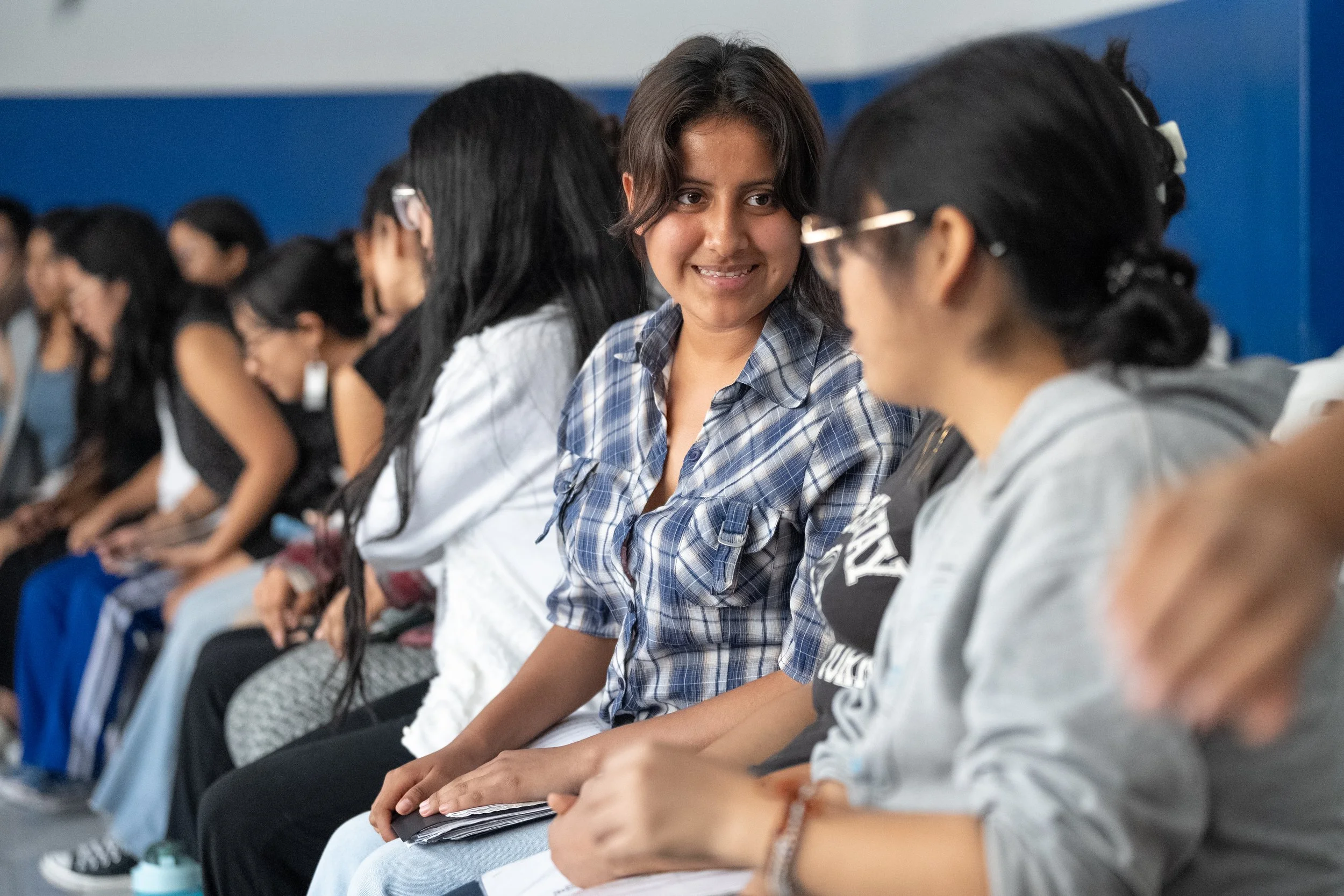
When I visited Sinfonía por el Perú in Lima for the first time last summer, an organization founded by Juan Diego Flórez based on the El Sistema philosophy, I met a young woman who came from extremely disadvantaged circumstances and had been singing in the choir since childhood.
Her years in the choir profoundly shaped her life. Today, she is actively engaged in advocating for women’s rights and is studying law so that she can help other disadvantaged people. Those are the kinds of stories that touch the heart.
During our meeting, she told me: “Music showed me the potential that was already within me. Had I not discovered that, I would never have achieved what I am achieving today.”
A short documentary featuring classical music luminaries Juan Diego Flórez and Roberto González-Monjas, highlighting their shared belief in music as a catalyst for social development and empowerment.