
Where Personal Engagement has Social Impact
Since 2009 the BOOKBRIDGE Foundation has been bringing together responsible managers from established enterprises with entrepreneurs from disadvantaged regions. The aim is to create new, sustainable social enterprises in order to solve local problems. Since 2012, Hilti team members have also been taking part in these programs, for which a dedicated Engaged Beyond Business (EBB) initiative was created in 2020. For instance, Cinzia Estori and Markus Mühl were also involved in a BOOKBRIDGE project in Sri Lanka in May 2025. This not only sustainably improved the work and lives of the local population, but also enabled the two Hilti employees to gain new perspectives and leadership skills.
At first sight, the challenges faced by a rural region in southern Asia might appear far-removed from the day-to-day operations of an international construction concern. On the contrary however, engagement between these two realities can be valuable and mutually beneficial. However, for Carsten Rübsaamen, co-founder and Managing Director of BOOKBRIDGE, this requires the right mindset. It is therefore no coincidence that he regards Hilti as one of his significant long-standing cooperation partners. “The company is simply a perfect fit for our foundation’s philosophy since, alongside its entrepreneurial spirit and innovation, it also embodies a strong culture of responsibility within its everyday operations. And it is precisely these qualities that Hilti employees contribute to our programs.”
This has resulted in tangible success: with the support of Hilti employees, 20 social enterprises have been established to date in six countries, resulting in the direct creation of more than 300 jobs. It has also led to improved income prospects for thousands of people in the region. Each year, almost 90,000 people now benefit from the products and services offered by the social enterprises founded with the support of Hilti managers. Carsten Rübsaamen is particularly pleased with the sustainable operations, which is a key issue for the work of BOOKBRIDGE: “Out of these 20 social enterprises, 17 are still trading today. These enterprises are now self-sustaining and are also repaying the interest-free loans provided – where required – by investors.”
This well-functioning cooperation is by no means a one-way street. Participating Hilti employees gain valuable new perspectives and management skills from BOOKBRIDGE assignments, which they can use for the benefit of their own company. Two people who have already gained this experience are Cinzia Estori, Sustainability Business Developer, and Markus Mühl, Social Media Program Manager. The marketing expert summed up the reason for taking part clearly and succinctly: “I saw the program as an opportunity to develop personally and at the same time to help people from a disadvantaged region.”
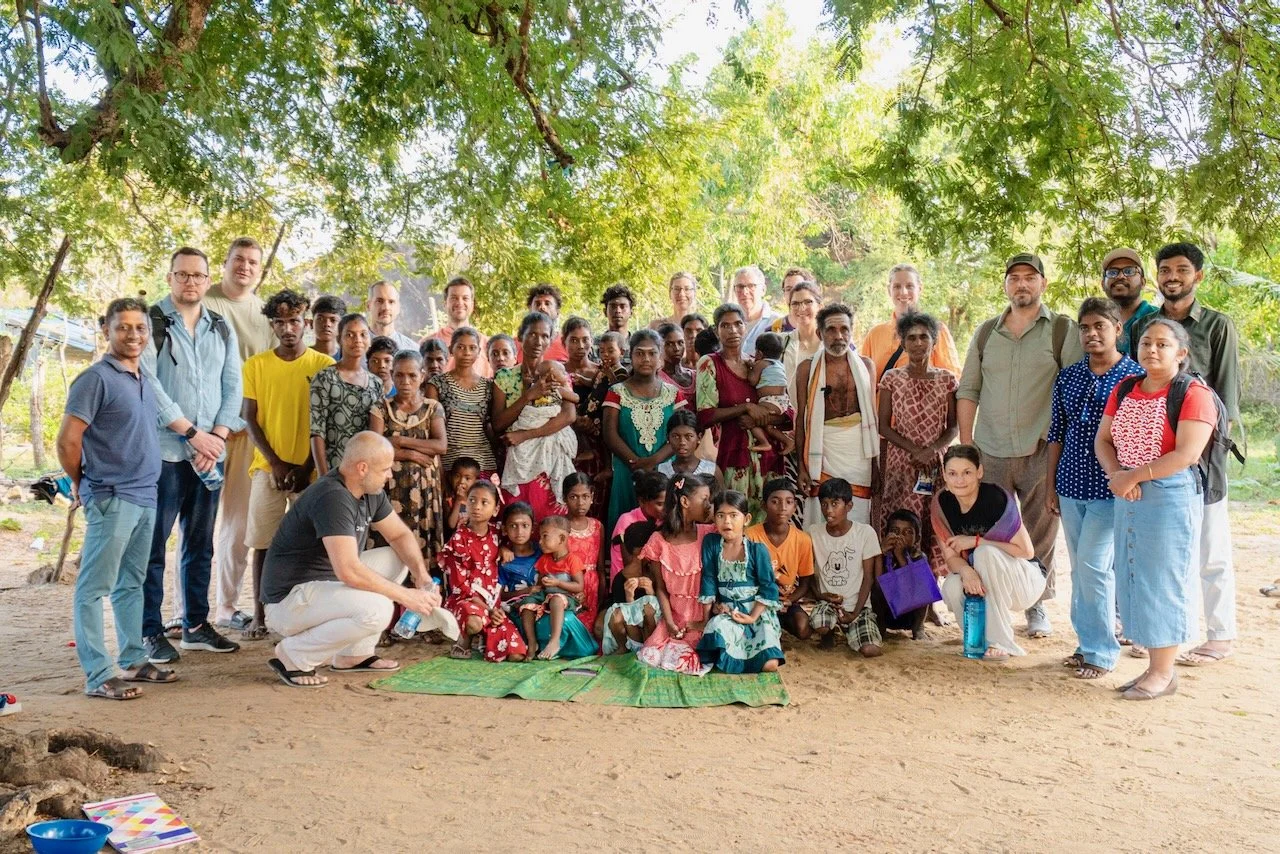
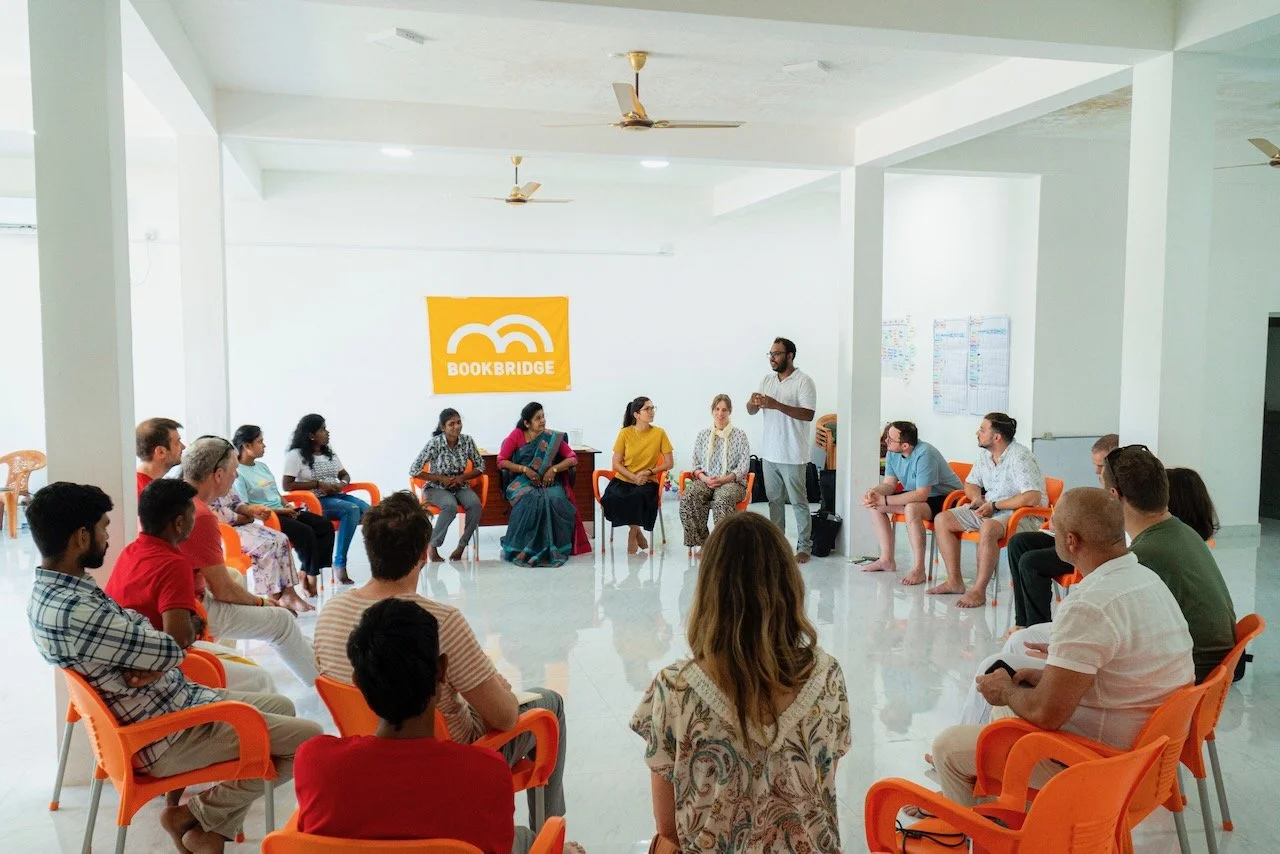
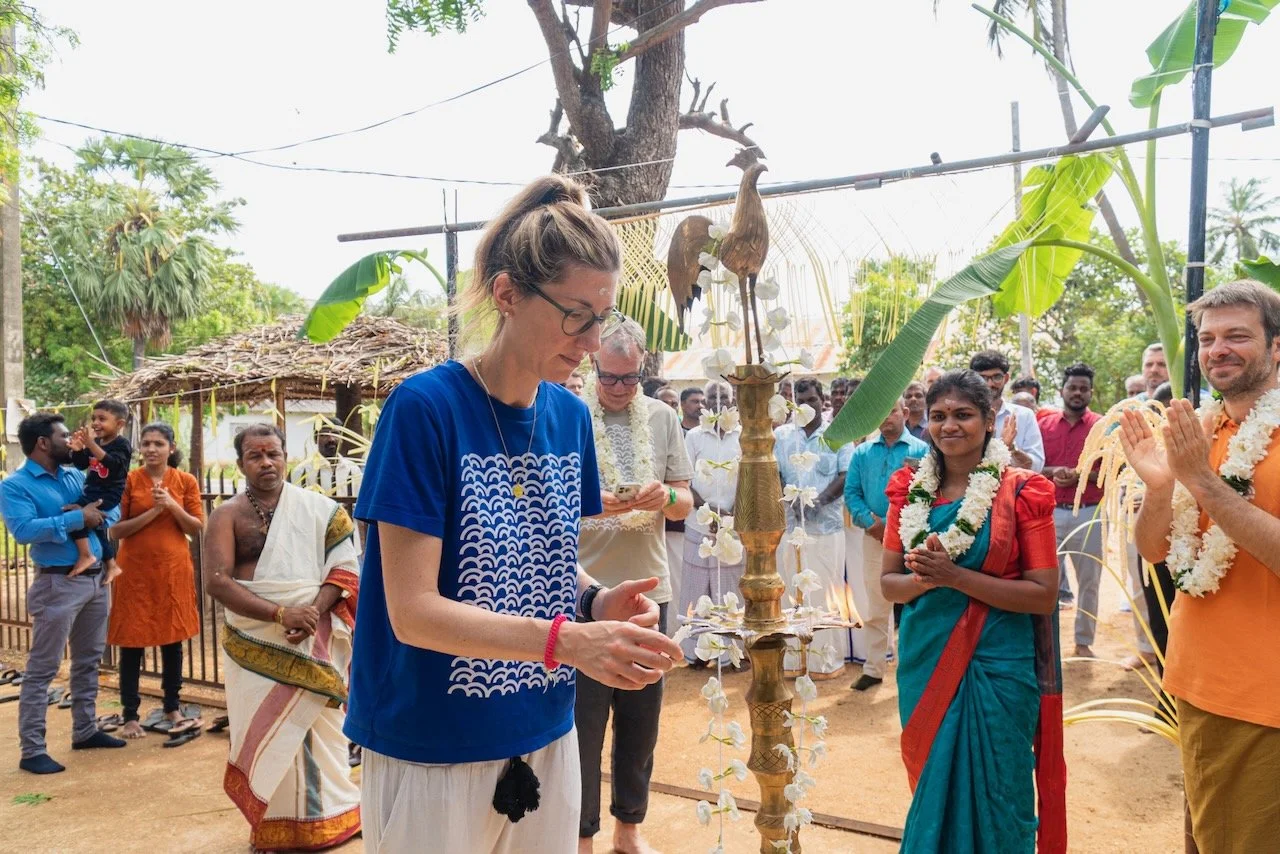
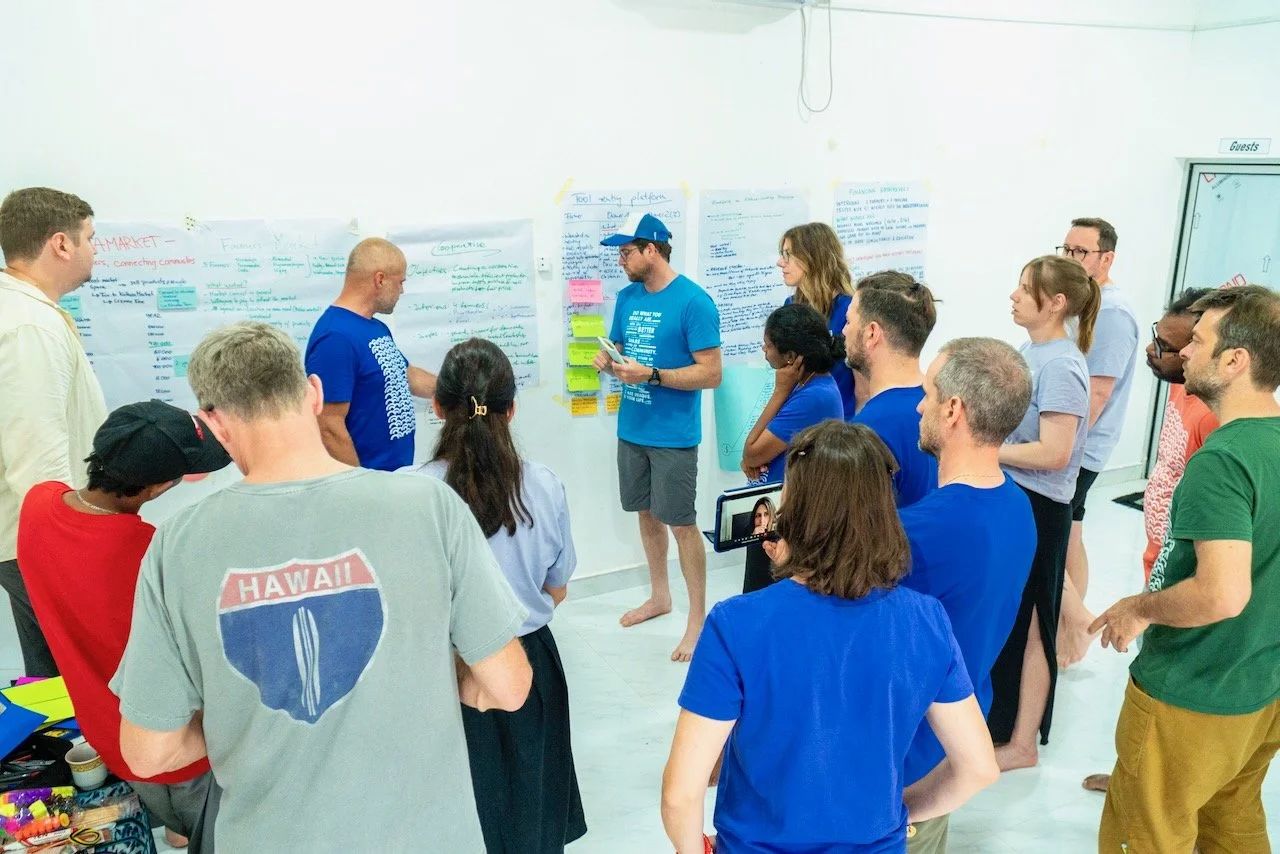
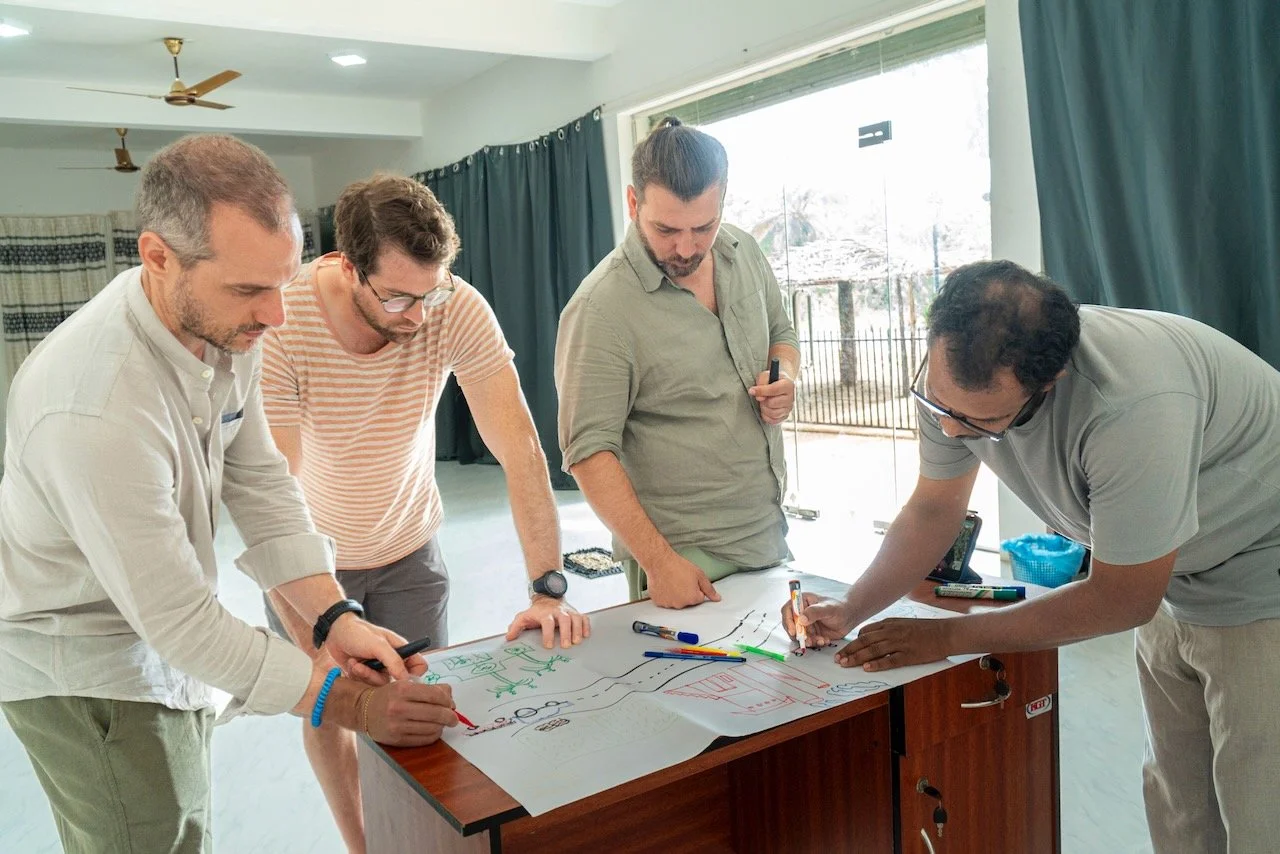
After successfully applying, obtaining approval from line managers and liaising with their own departments, in May 2025 the two spent around ten days in Sri Lanka, which represented the highlight of the part-time program lasting for a total of six months and comprised of multiple modules. The objective was to set up a company alongside locals with the objective of improving the living conditions of around 1,000 farming families in Kathiraveli, a small village on Sri Lanka’s east coast.
Explaining the starting point, Cinzia Estori states that “Our specific task was to support local entrepreneur Yalini Pushpakanthan in developing a business concept to prevent her and other farmers in the region from being exploited further by intermediaries”. Specifically, until then a lack of storage options had forced local farmers to sell their harvests immediately, without any opportunity to be able to negotiate better prices. As a result, farmers often did not have enough money to finance seed and fertilizer for the next harvest season. This means in turn that they had to take out loans at very high interest rates, triggering a real vicious circle that further fueled regional poverty.
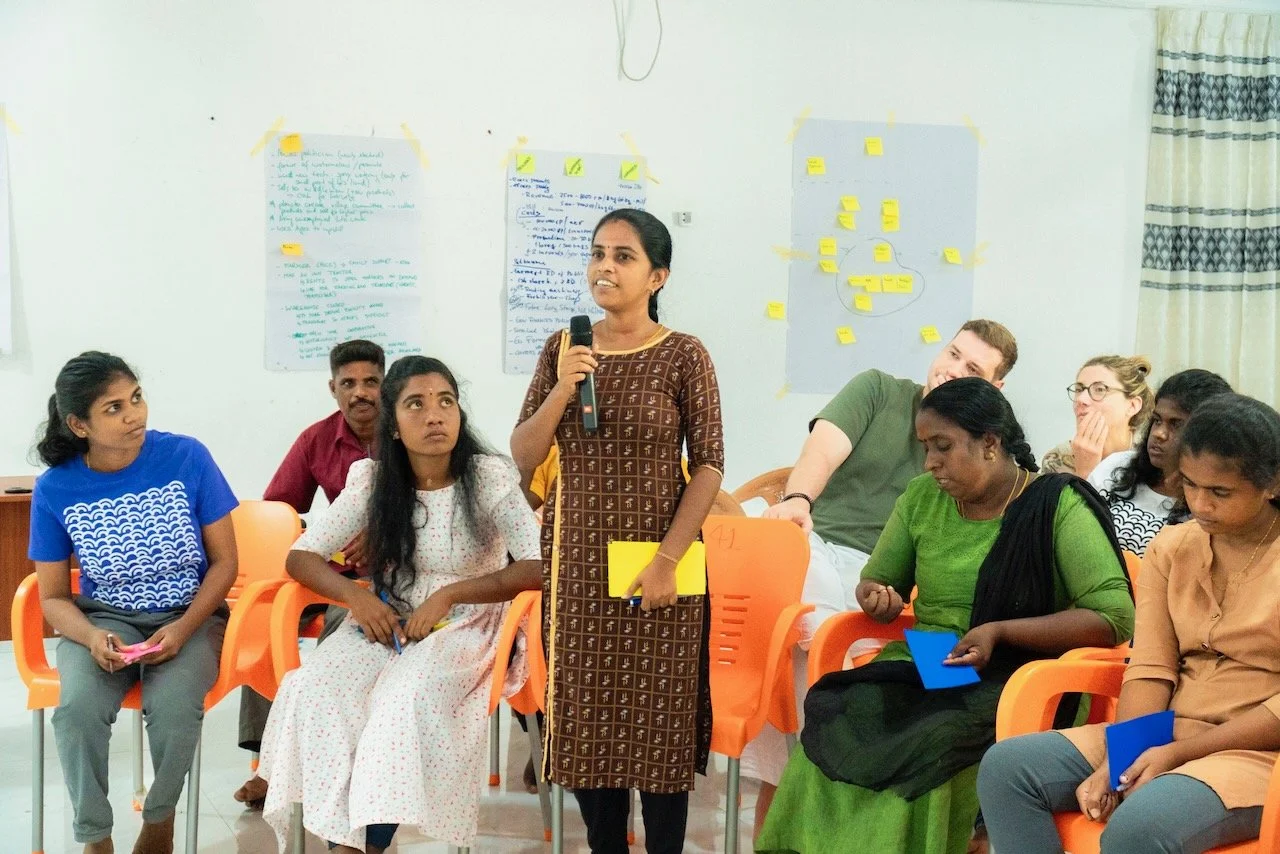
The solution to this problem ended up being devised within the space of a couple of days in consultation with a local team and the farmers involved. “We eventually identified three business areas: a cooperative, an academy and a marketplace. I was involved initially in setting up the cooperative so that it could pay the farming community fair prices for their harvests, offer seed and fertilizer according to better terms and, where required, also provide interest-free loans”, recalls Cinzia Estori. “My tasks were initially focused on the business case and financing, where my strengths lie and which I also find fun. Subsequently however I intentionally stepped outside my professional comfort zone by taking on a role in the HR team. There I devised the organizational structure for the business, drafted contracts for new staff and also drew up a learning plan for our Managing Director Yalini.”
Markus Mühl, on the other hand, carried out different activities in Sri Lanka: “I managed the finances of the weekly market, but I was primarily involved in bringing together individual farmers and creating networking opportunities for them. I also kept investors up to date on the project's progress. Due to language barriers and, in some cases, technical difficulties, this was not easy, especially at the beginning.”
This work called for major personal commitment by Hilti managers within a short space of time, but also quickly bore fruit: since May 2025 a market has been held twice each week in Kathiraveli at which local farmers can sell their products directly to the public. In addition, the business idea was pitched only two months later to two investors who provided the entire investment envisaged of € 15,000 as an interest-free loan. As a result, it has already been possible to support 15 local farmers with seed and fertilizer according to favorable terms. Looking back, Cinzia Estori is still astonished at the tangible results. “I would never have thought that it would have been possible to set up a business and to celebrate the first successes within so few days. This is in spite of the fact that, as a new participant in the program, one first has to understand how things are done in a community and how it reacts to different issues and ideas.”
As an experienced Hilti employee, what did you take back home from the overall six-month program, including the particularly intensive ten-day stay in Sri Lanka? “This BOOKBRIDGE experience has definitely given me a clearer idea of the type of manager I want to be in future. Specifically I would like to work on three points: I want to define my goals more clearly, develop a stronger shared vision with my boss and with my team than in the past and finally also improve my communication skills. All of this helps to attract people pursuing the same goal and who also share the same vision.”
Markus Mühl also adds the following comment for his Hilti colleagues: “I would strongly recommend to everyone that they apply for a BOOKBRIDGE program and set aside time in the schedule for it. You not only learn new skills very quickly but also benefit enormously from cooperation with project partners, some of whom have completely different professional backgrounds.”
BOOKBRIDGE currently operates its own programs in 18 countries on four continents – amongst others in Sri Lanka, Cambodia, India, Morocco and Mongolia, although also in Poland, the UK and Switzerland. Programs are launched mainly wherever demand for entrepreneurial solutions to social challenges is particularly high. The core tasks that the foundation is currently dealing with include, amongst others, the creation of a network to cover the 170 social enterprises successfully founded over the last few years. The aim in doing so is not only to further enhance and scale their social impact, but also to maintain the high quality of the leadership program.
BOOKBRIDGE Managing Director Carsten Rübsaamen is also counting on the continuation and expansion of the strong partnership with Hilti: “Our vision is for exemplary companies such as Hilti to carry on systematically integrating their social responsibility into their management development processes – thereby shaping a new, contemporary approach to business and leadership.”