As the philanthropic arm of the Hilti Group and the Hilti family, the Hilti Foundation focuses on long term solutions that create sustainable impact for society and the environment.
Our Programs and Initiatives
-
Why Dual Vocational Education?
Across Sub-Saharan Africa, youth unemployment remains high despite the growing demand for skilled labor.
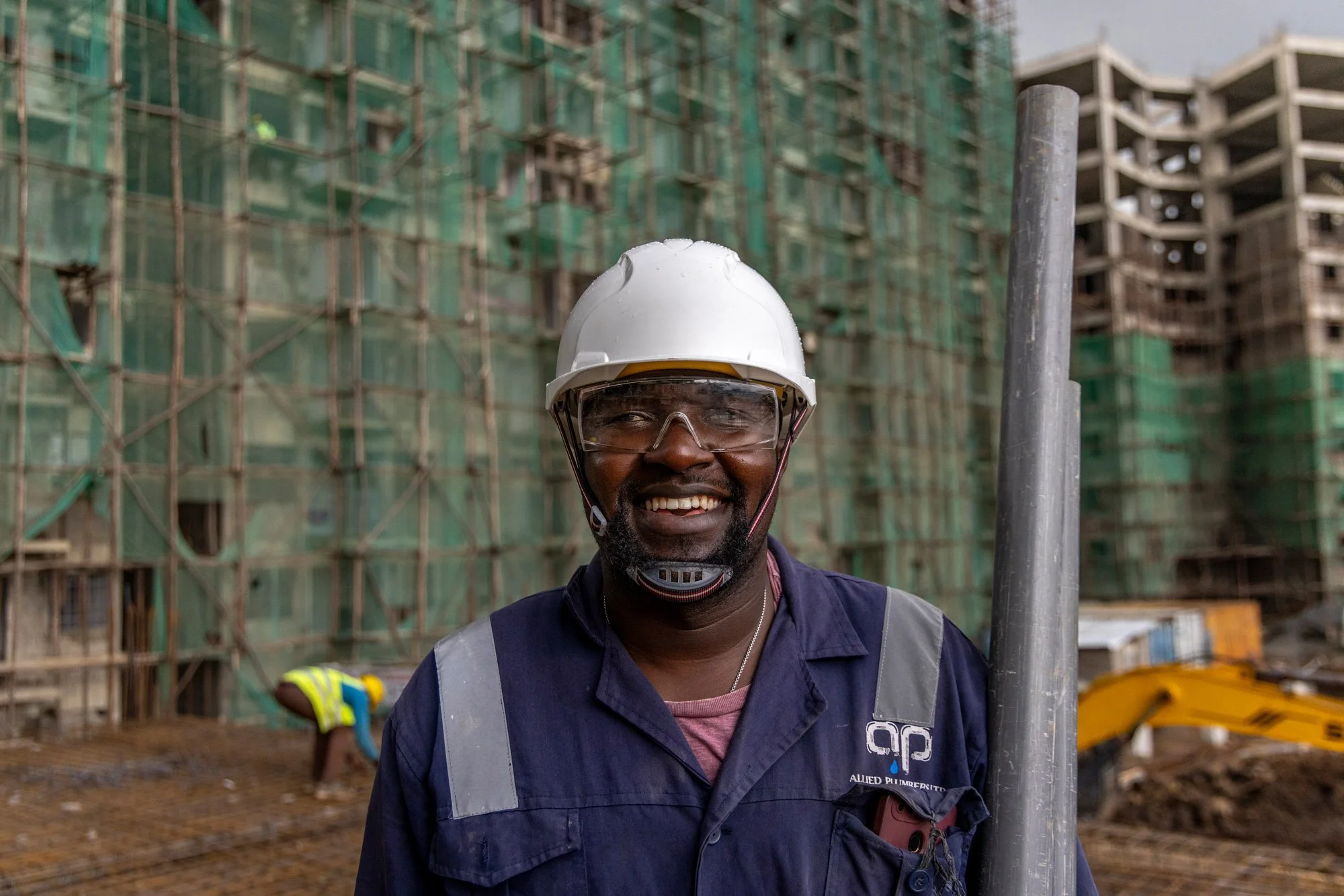
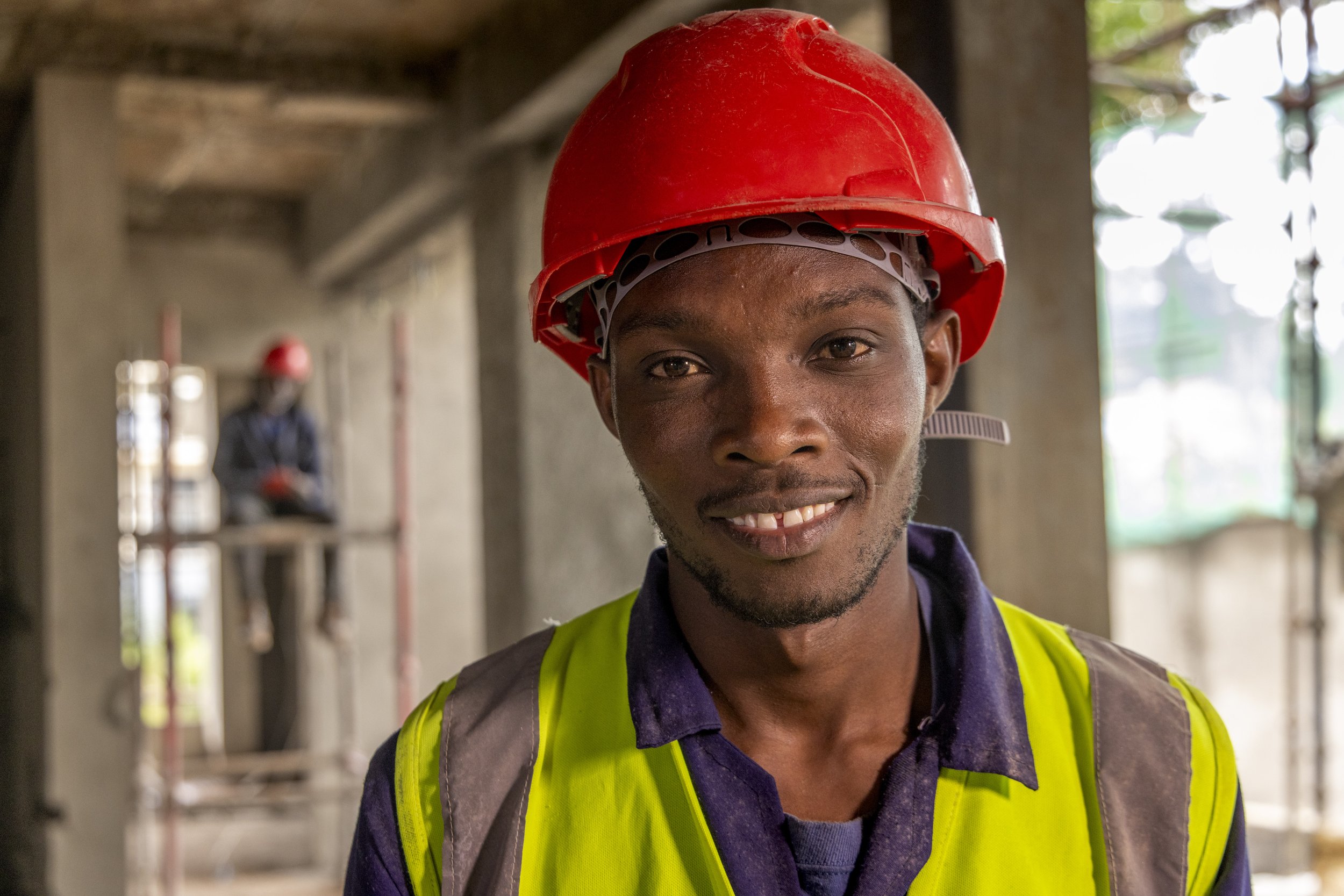
In the construction sector, companies lack qualified technicians, and many young people complete vocational training without gaining practical experience or accessing formal employment.
The root cause is structural: vocational education systems are not sufficiently integrated with industry, resulting in a persistent mismatch between acquired skills and required skills.
Therefore, sustainable employment outcomes depend on strengthening the vocational system itself.
What is PropelA?
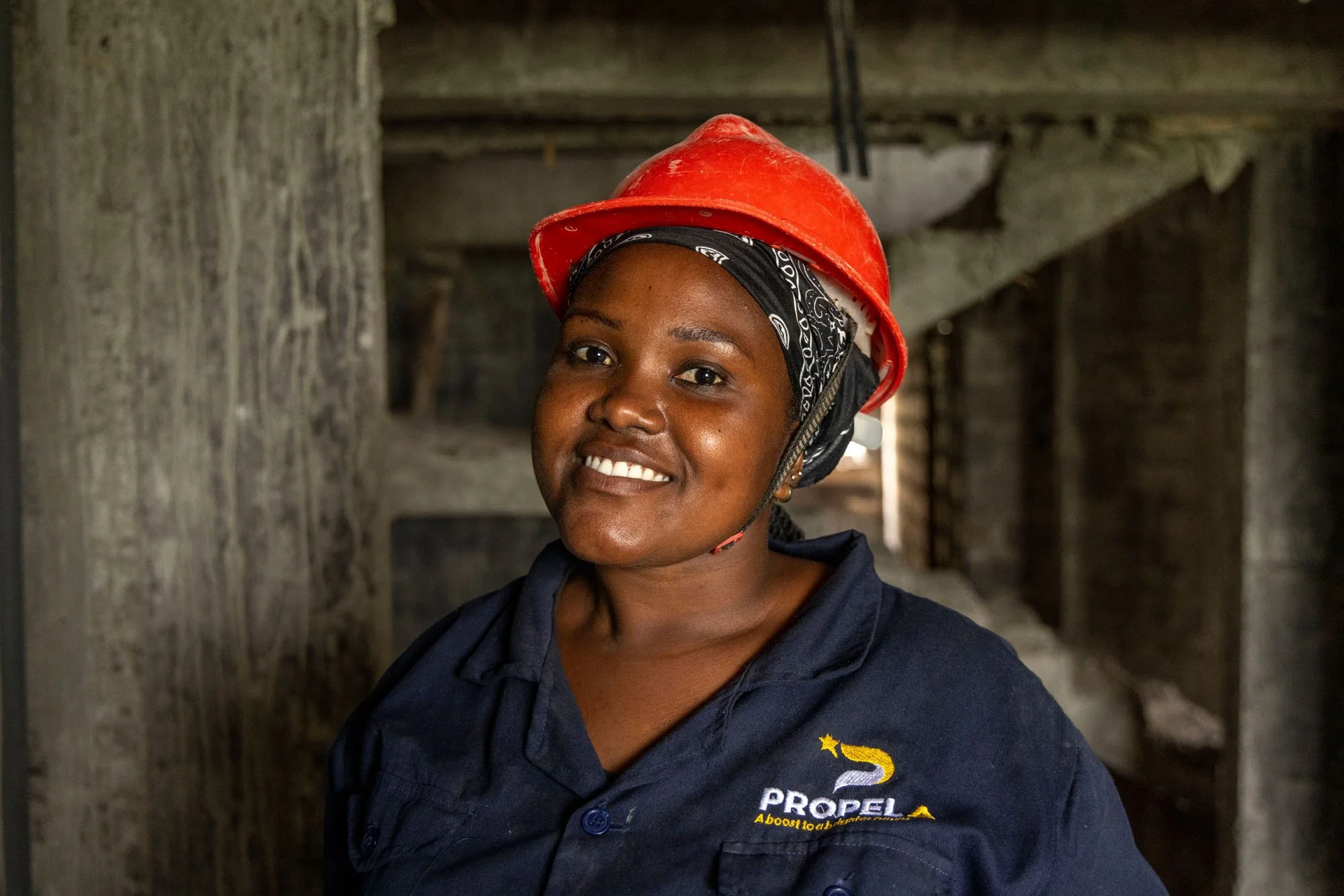
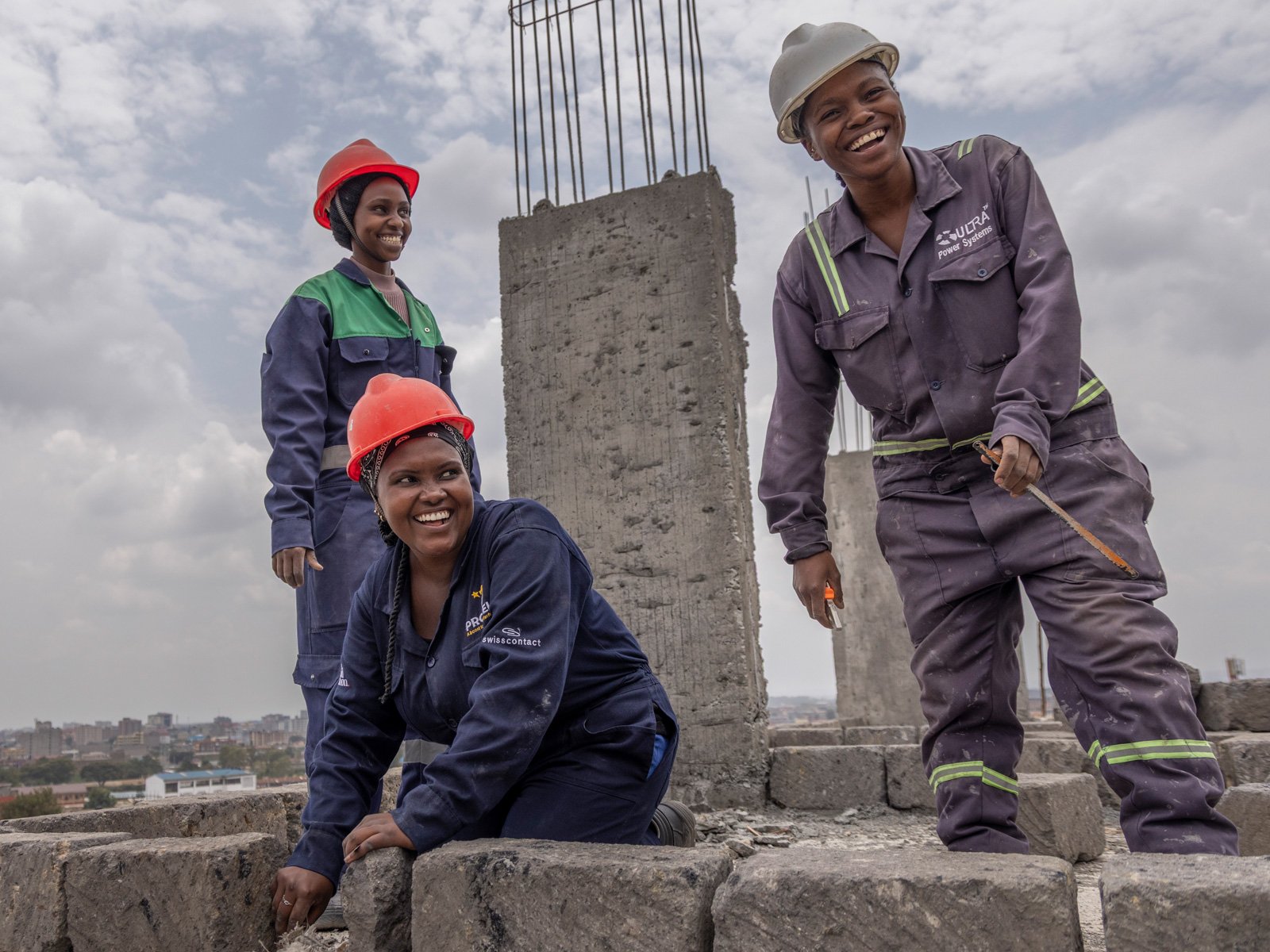
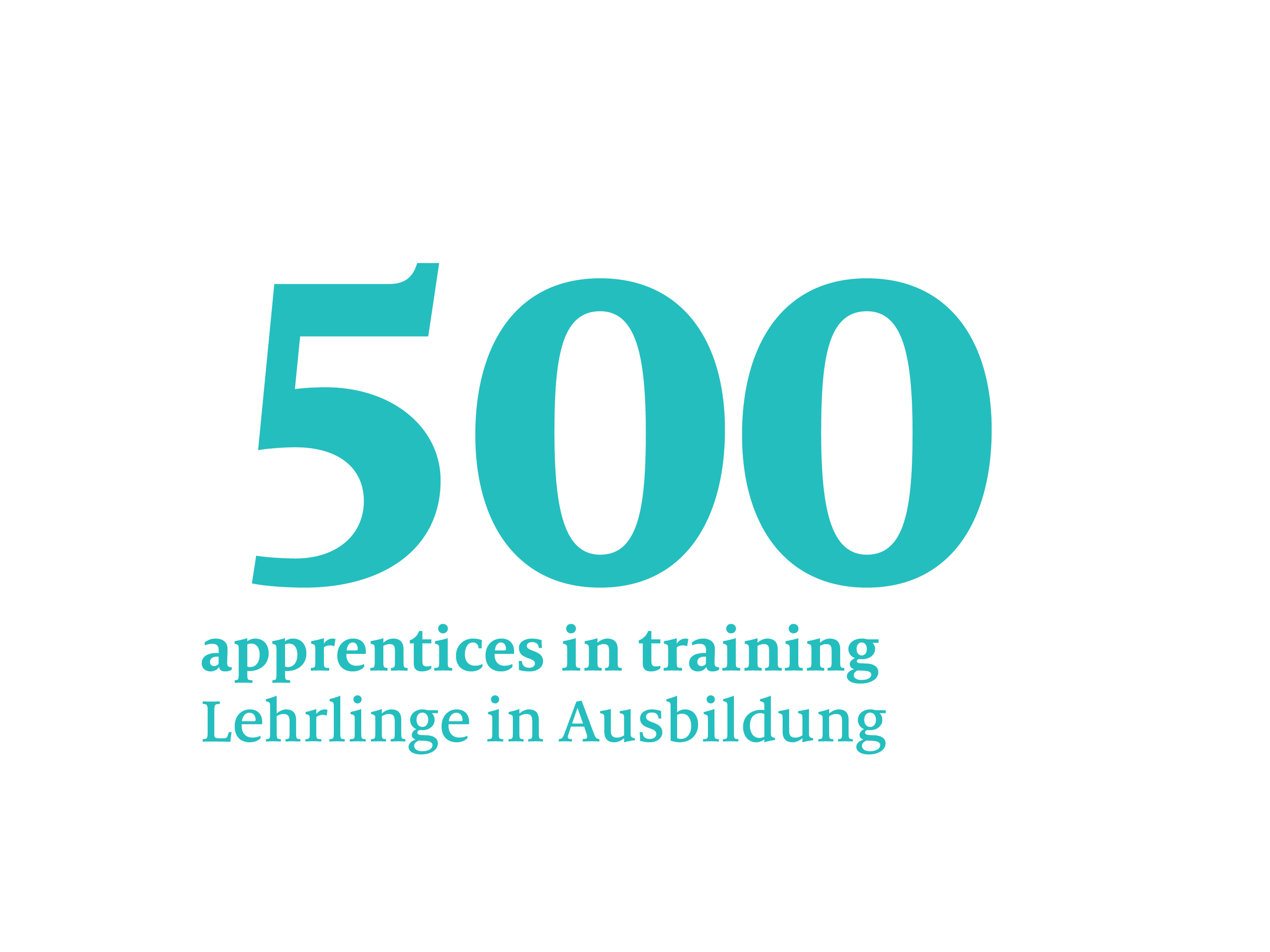
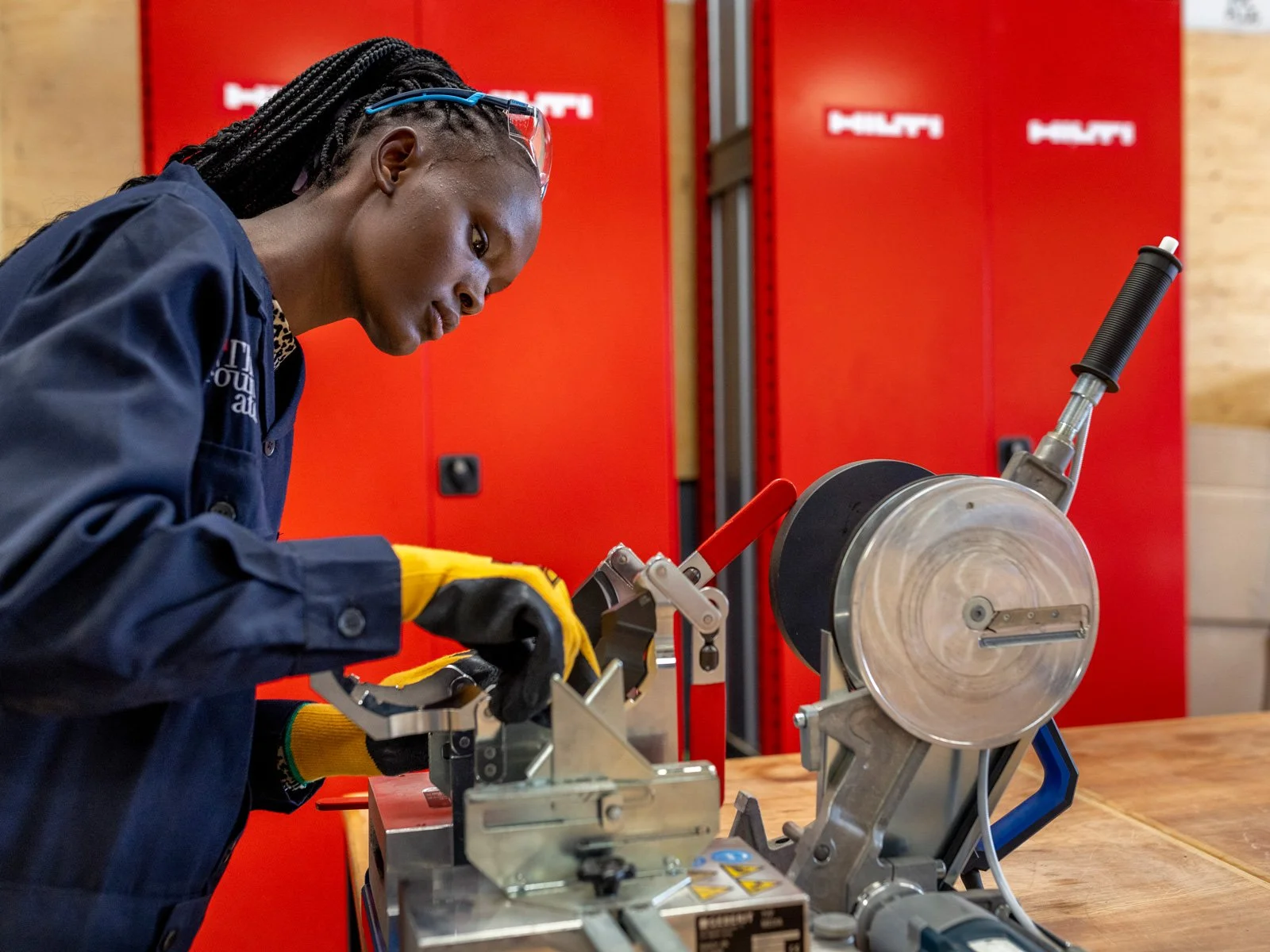
PropelA is the Hilti Foundation’s systemic response to this challenge. Inspired by the Swiss dual education model, it builds an industry-anchored vocational pathway in construction-related professions, integrating classroom instruction with structured company-based apprenticeships aligned with labour market demand.
The model combines complementary system levers:
Strengthened vocational institutions delivering high-quality training
Structured apprenticeships embedded in partner companies
Coordinated employer engagement through business associations
Alignment with national certification and regulatory frameworks
Together, these elements form a coherent vocational architecture linking education, industry, and public institutions.
How?
PropelA operates across three interconnected system levels:
Education systems strengthen delivery quality and assume operational ownership.
Industry actors invest in apprenticeships and shape occupational standards.
Institutional frameworks anchor certification, coordination, and recognition.
By aligning roles, incentives, and accountability, PropelA strengthens the vocational ecosystem as a whole. The objective is institutional and financial self-sustainability: a dual education system capable of functioning and expanding independently.
Outlook
The next phase focuses on deepening system maturity in Kenya by expanding employer participation and embedding local ownership. Where enabling conditions exist, the model will expand to additional East African contexts.
Through this approach, the Hilti Foundation contributes to resilient vocational systems that enable skilled employment at scale.

-
Why biodiversity matters
Biodiversity is essential for resilient ecosystems and long term environmental stability. The Hilti Foundation supports initiatives that raise awareness, foster understanding and encourage action by connecting environmental topics with education, engagement and practical experience
Engaged Beyond Business - Corporate Volunteering
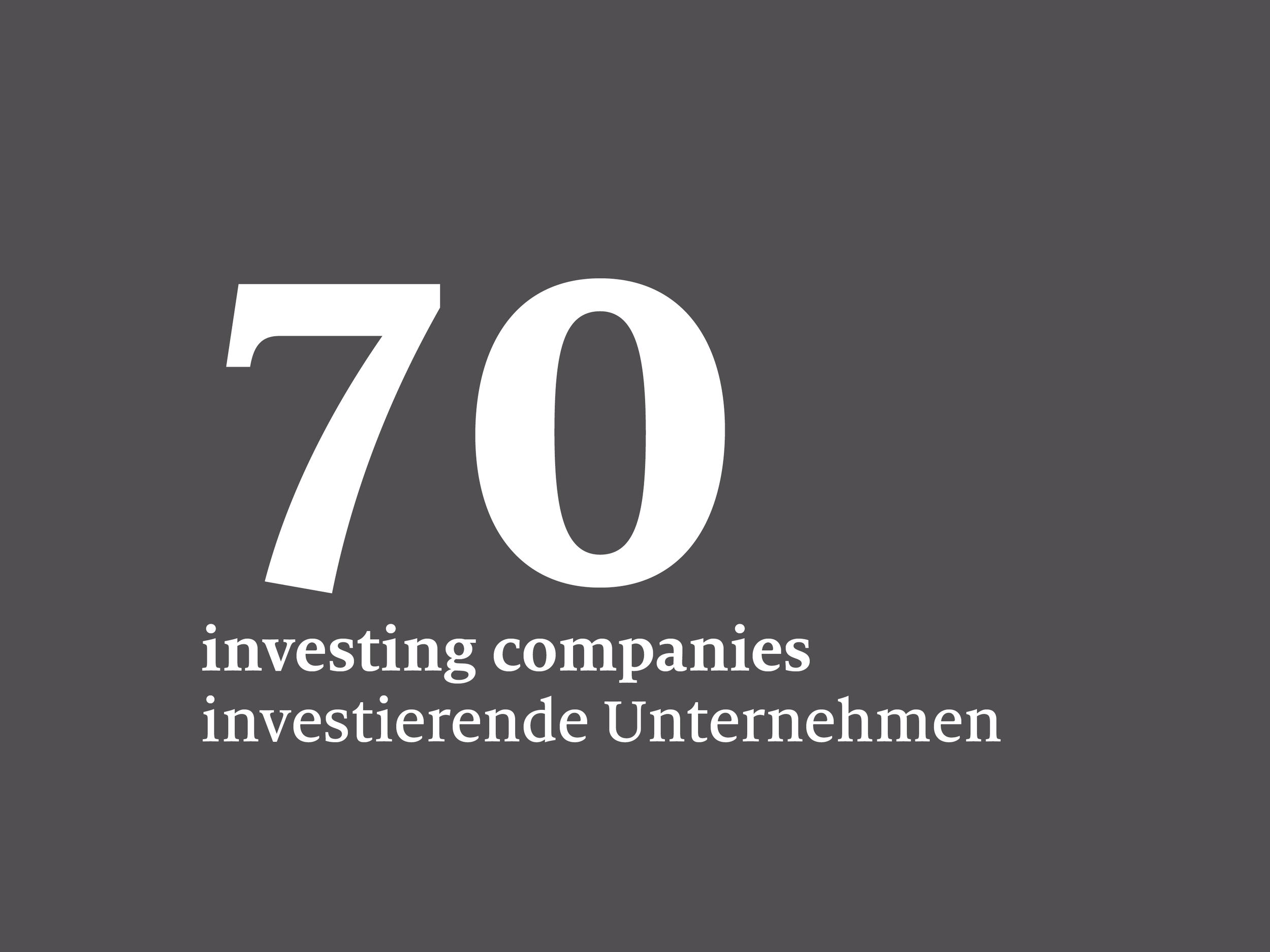
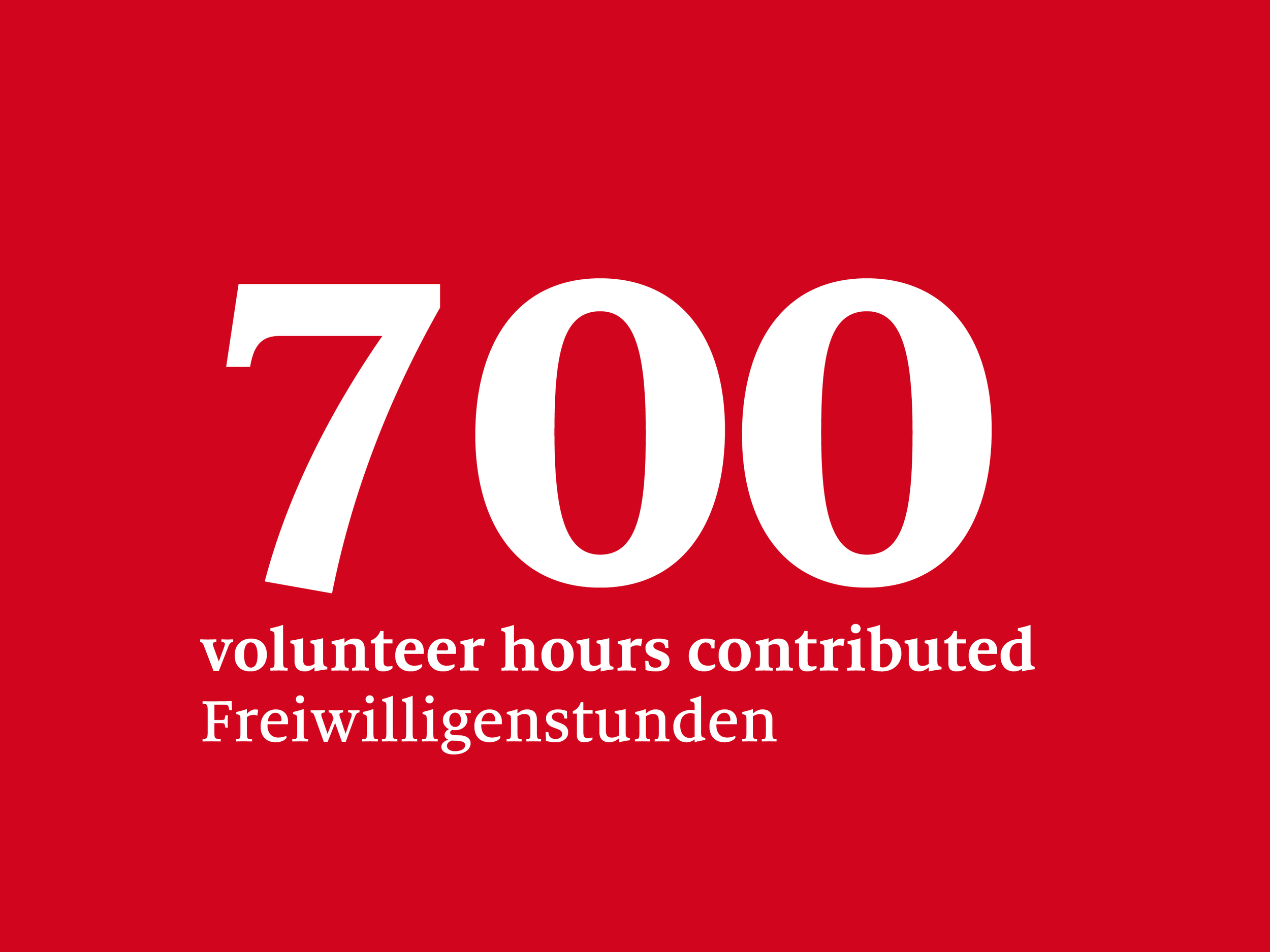
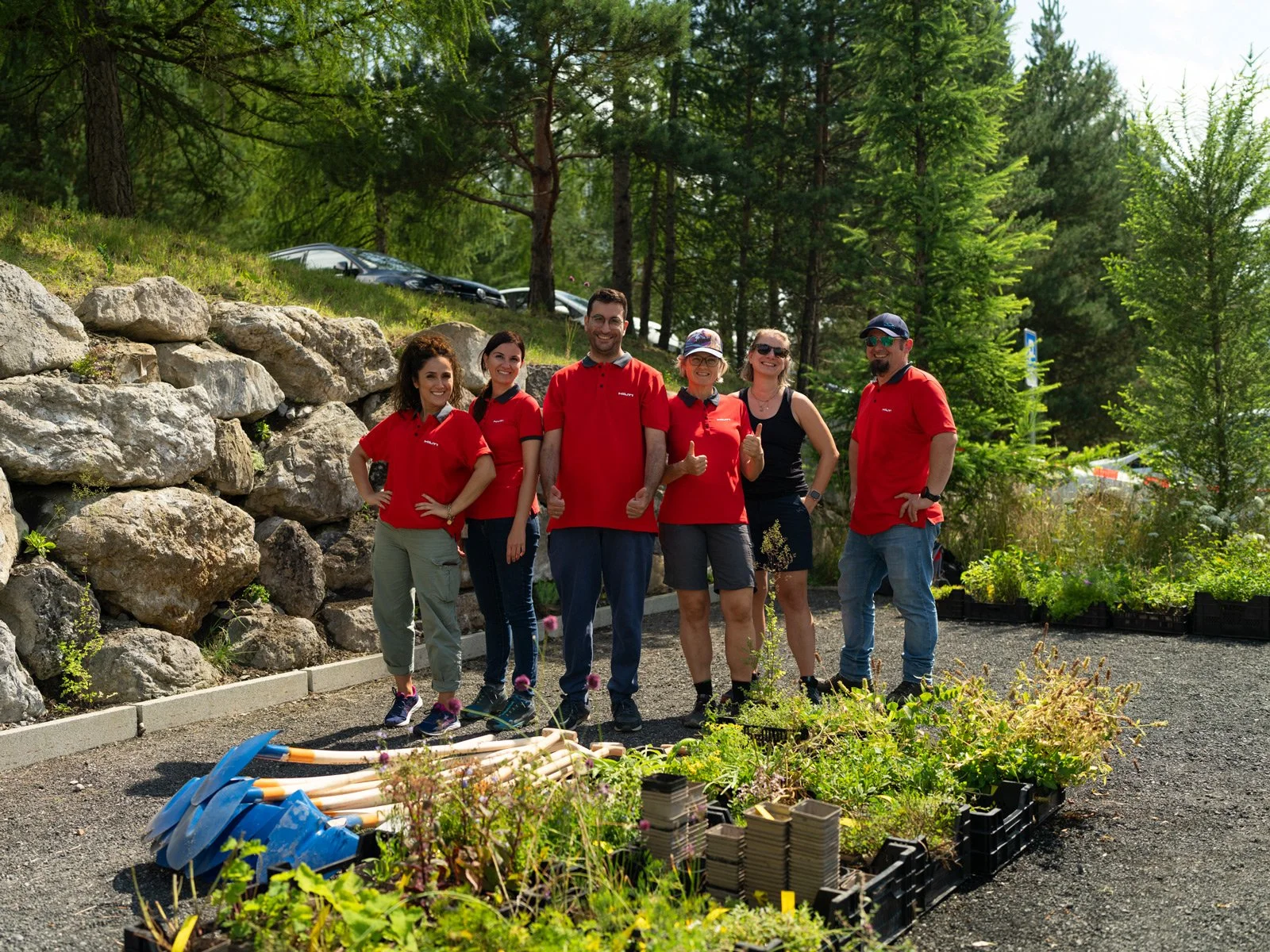
More than 700 volunteer hours were contributed by Hilti employees to our biodiversity project at the Hilti headquarters in Liechtenstein. This initiative combined hands-on environmental work with corporate volunteering, strengthening local ecosystems and employee engagement.
supergut LABS
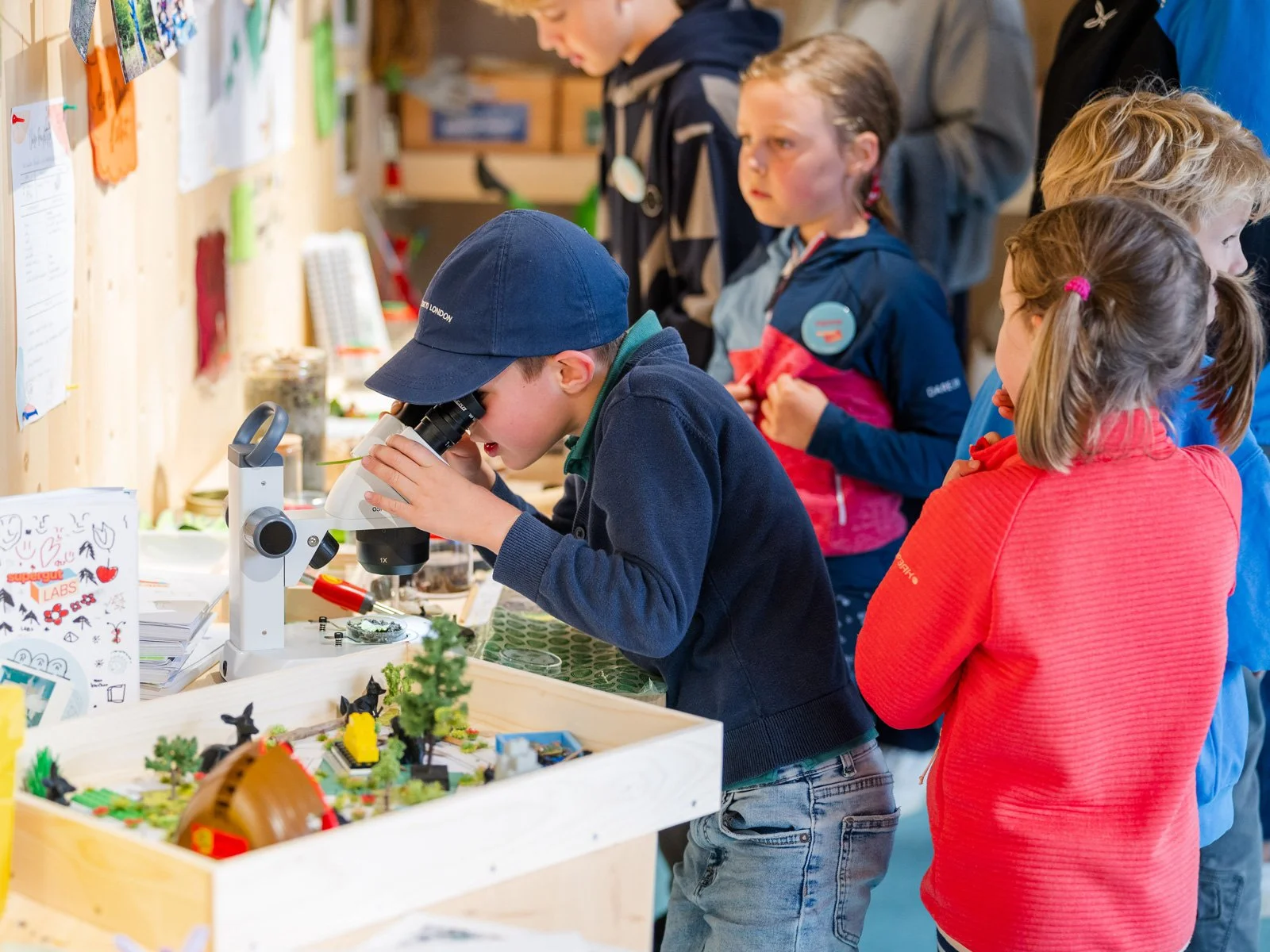
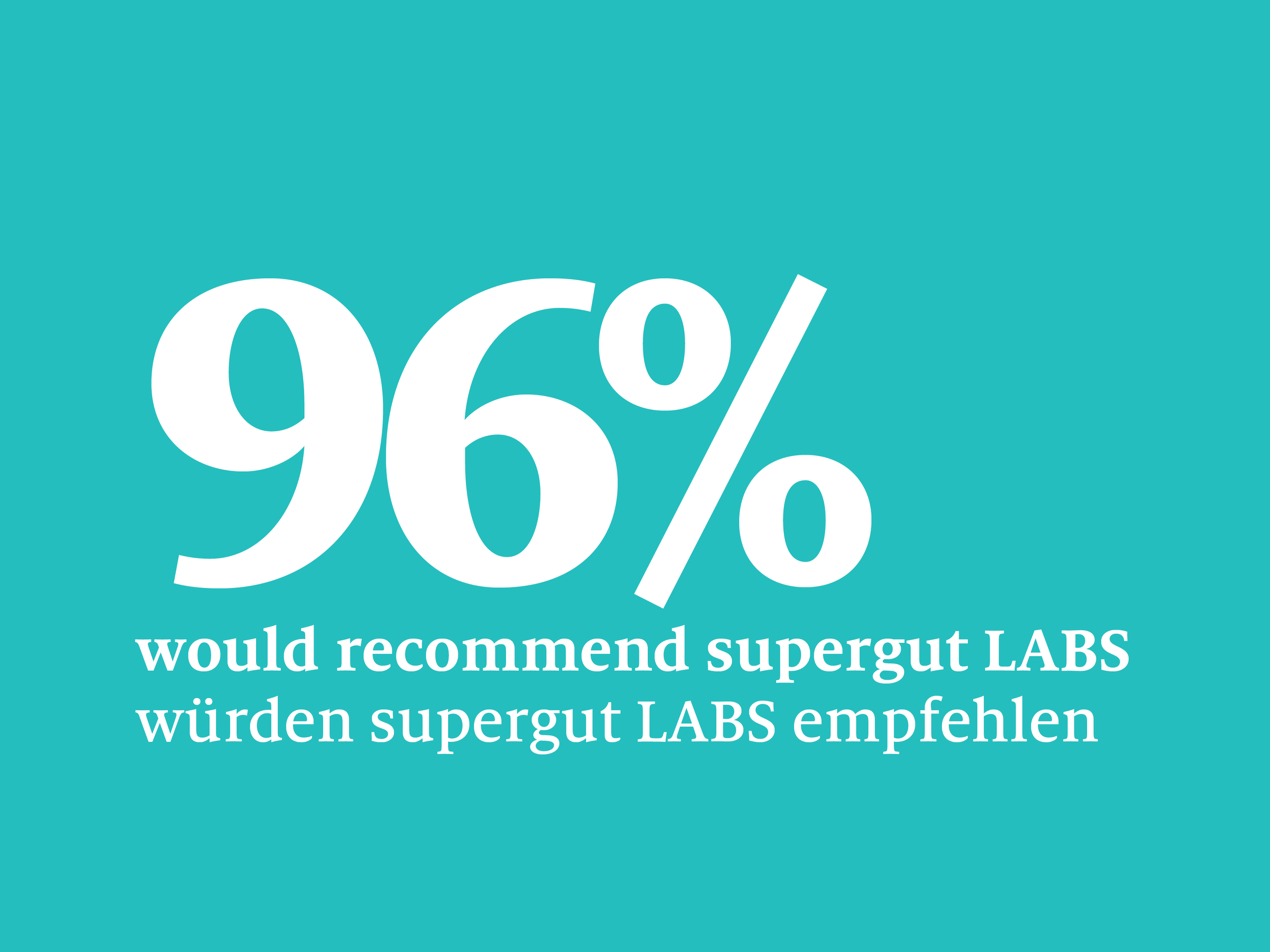
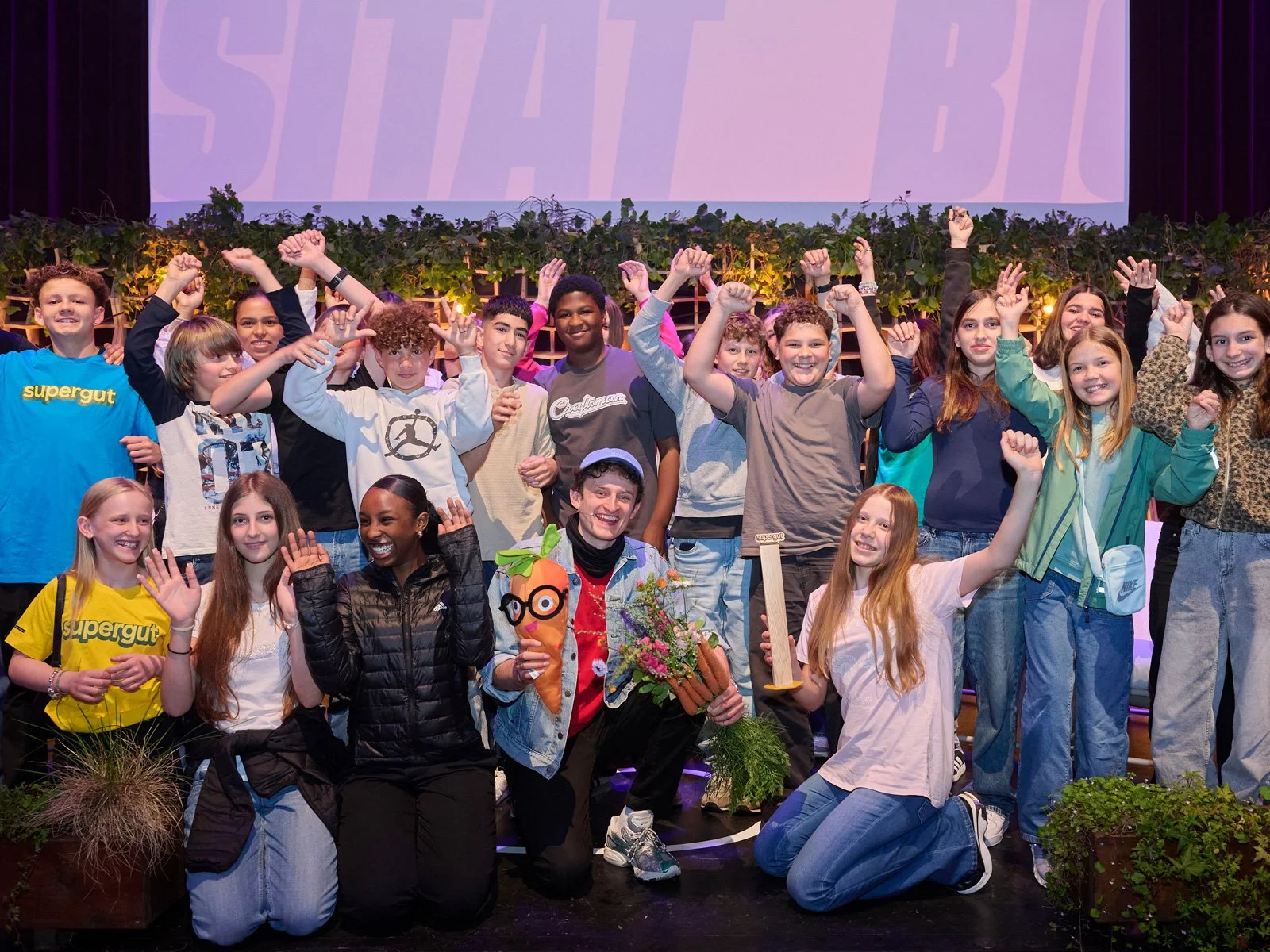
supergut LABS introduce students in Liechtenstein to biodiversity through hands on learning experiences. The format combines experimentation, dialogue and discovery to spark curiosity and deepen understanding of environmental topics in an engaging and age appropriate way.
Tatort Biodiversity
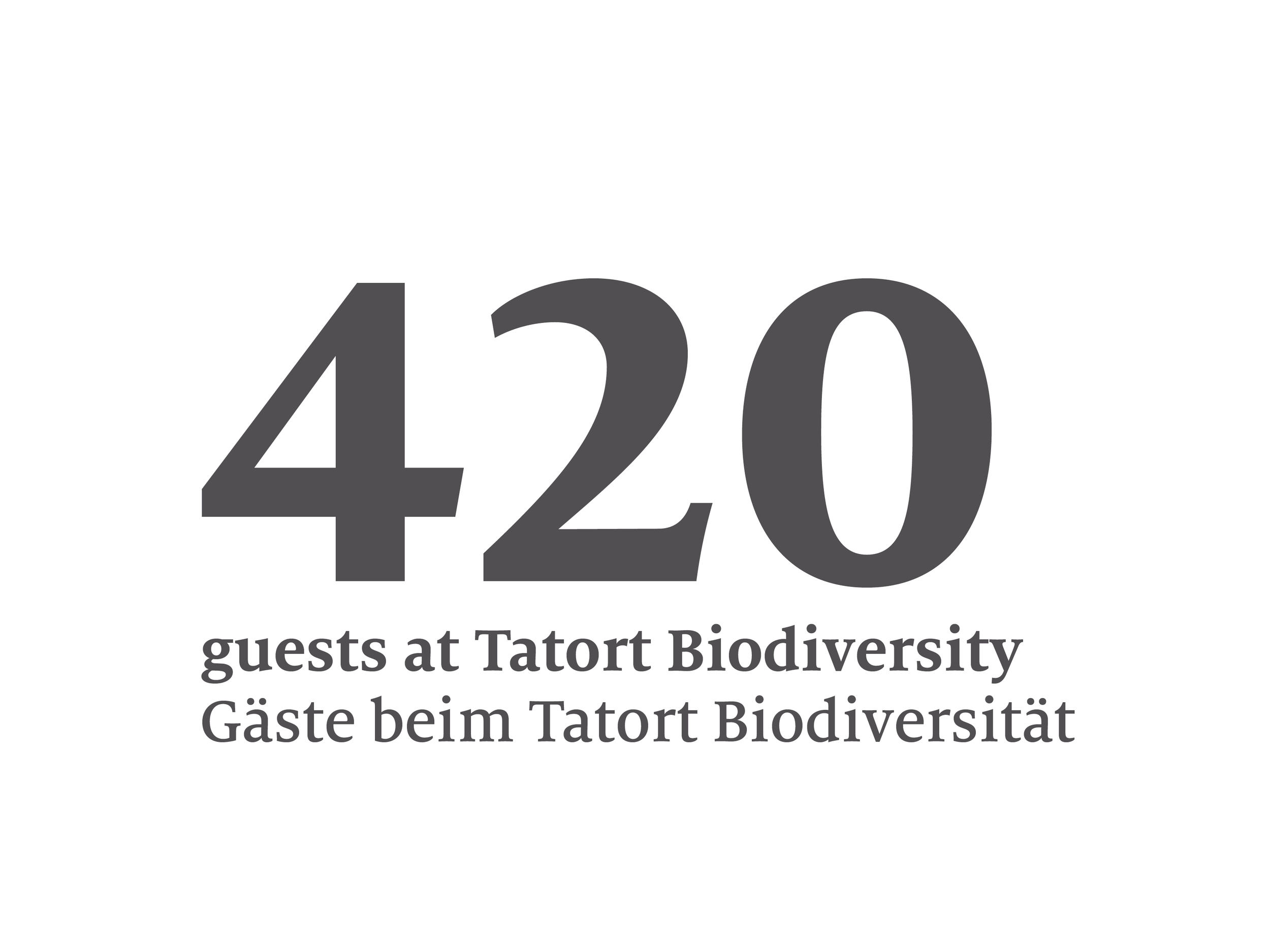
Tatort Biodiversity is an interactive event format designed to make biodiversity tangible and accessible. Through immersive experiences and expert input, the event invites participants to explore ecological challenges and reflect on the role individuals and organizations can play in protecting natural systems.
-
Why music matters
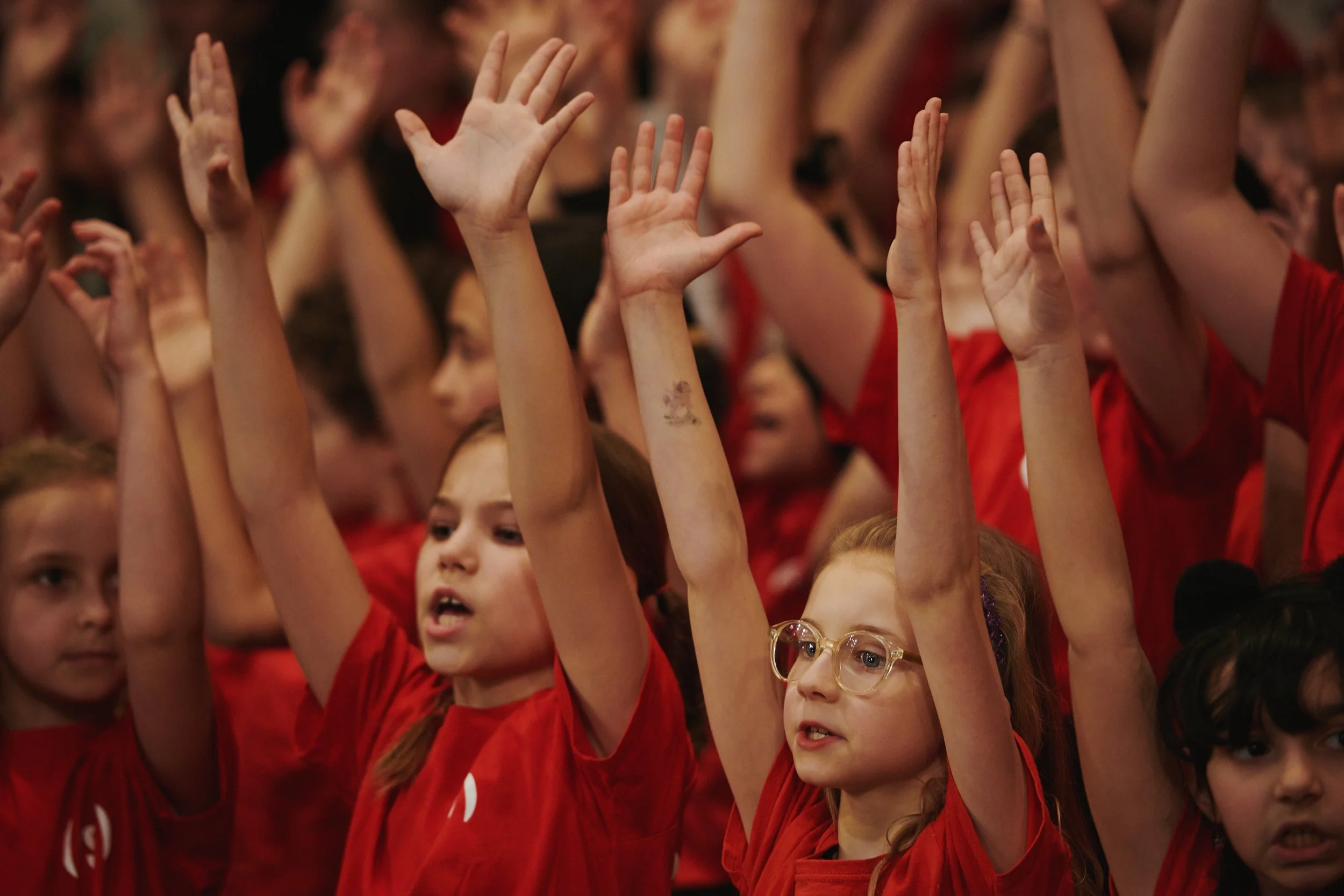
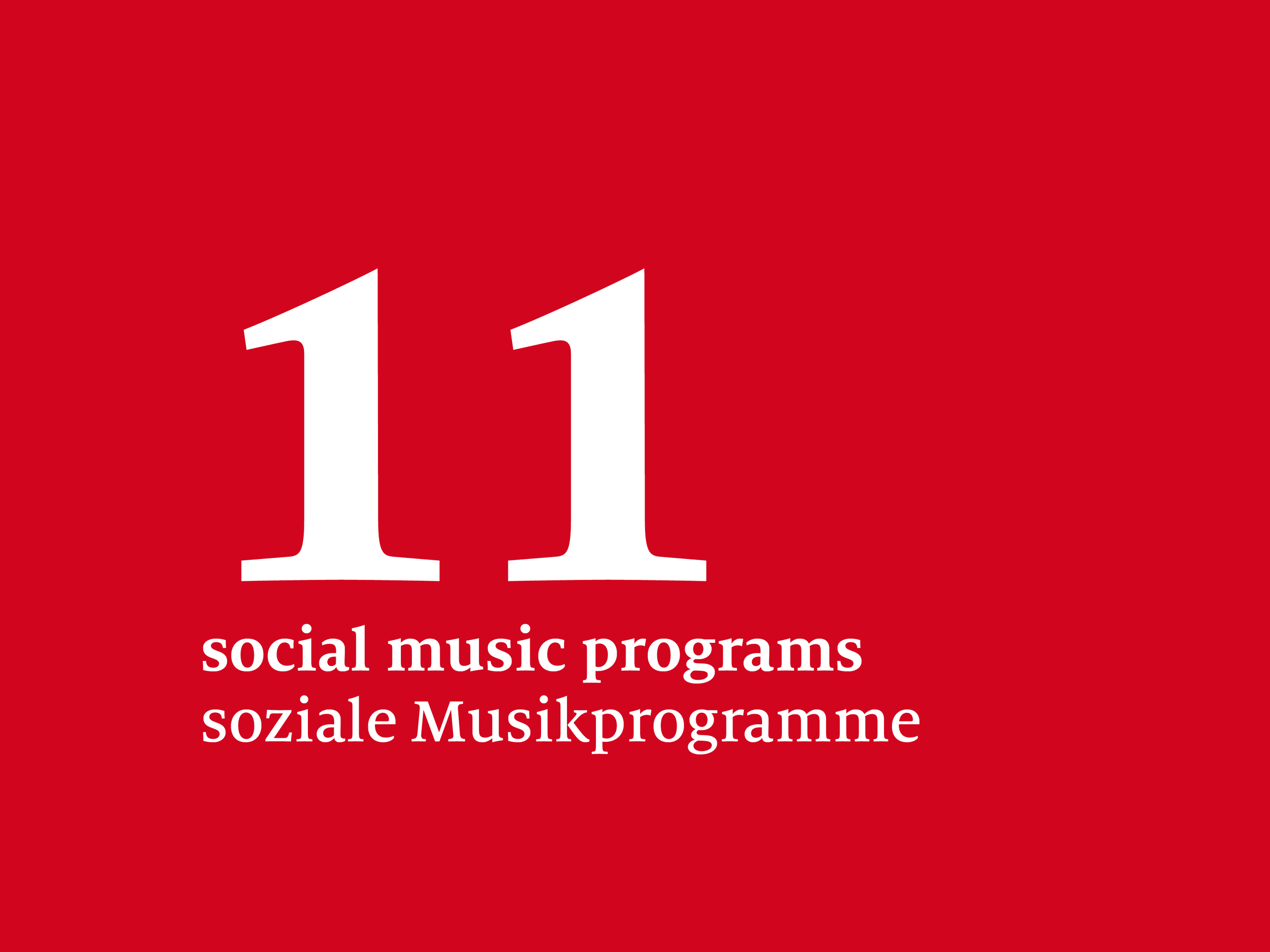
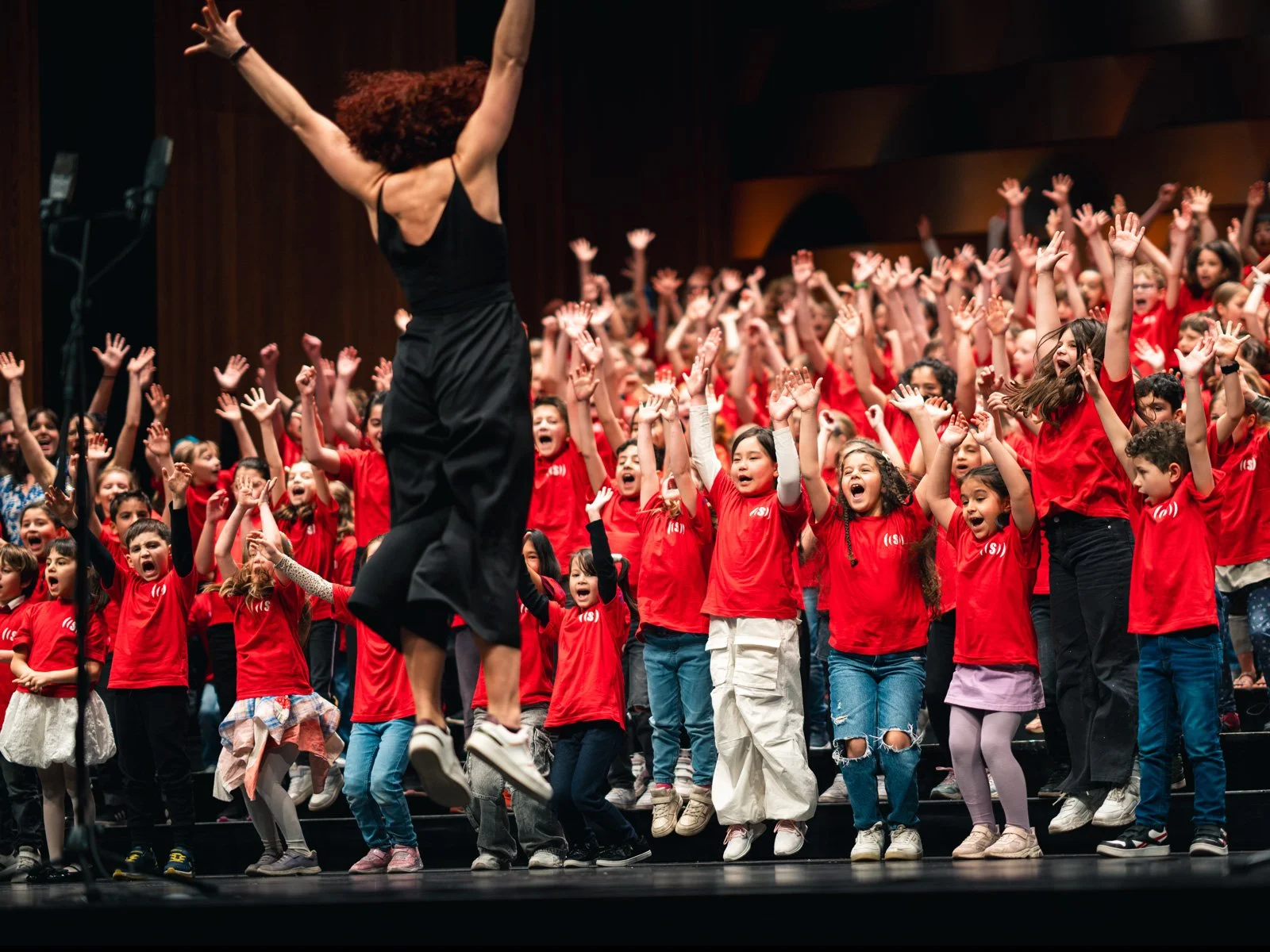
Music has the power to support personal development, strengthen social skills and create a sense of belonging. The Hilti Foundation supports social music initiatives that use music as a tool to empower young people, foster inclusion and open pathways for education and future opportunities.
Grassroots Music Programs
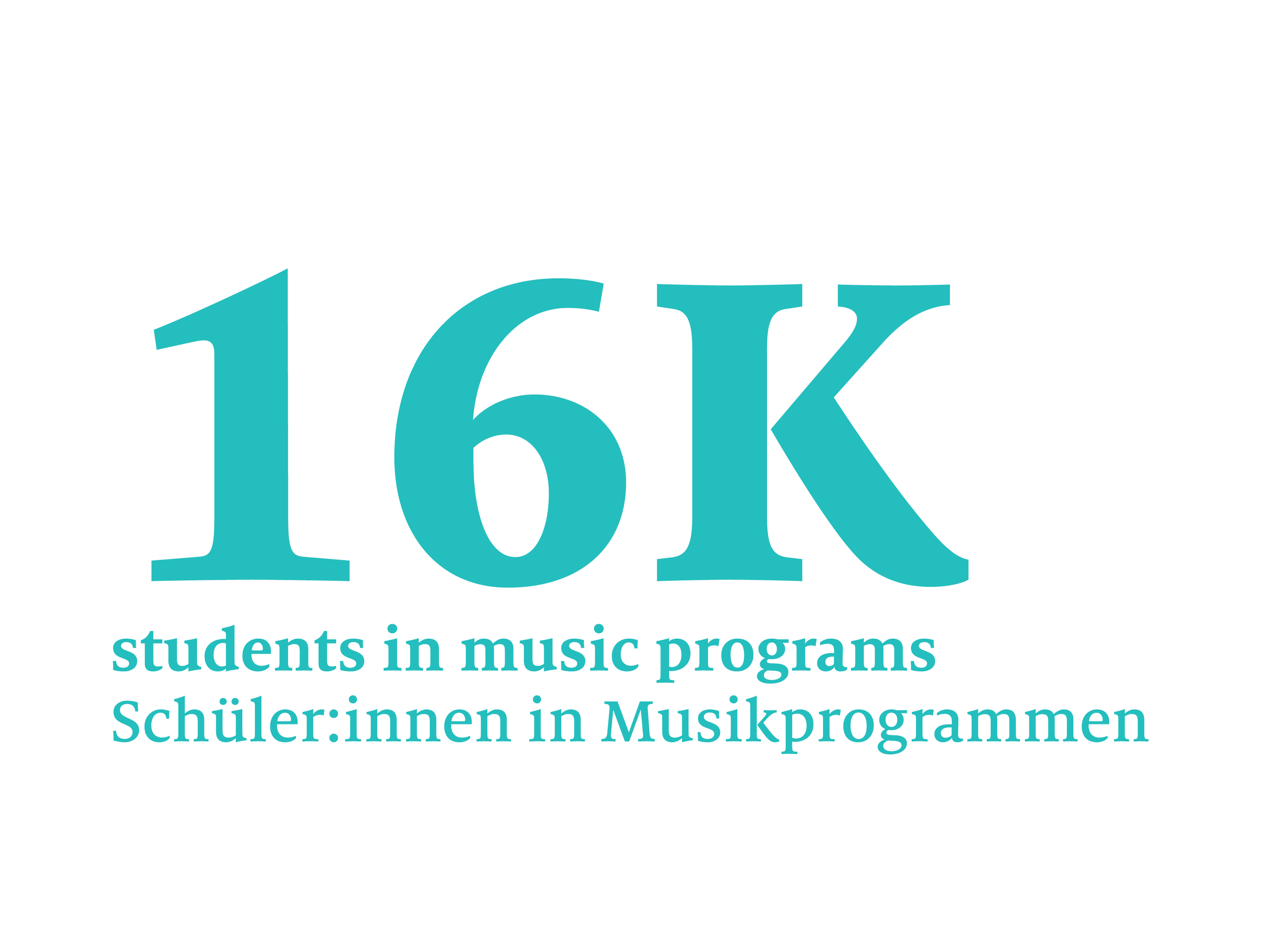
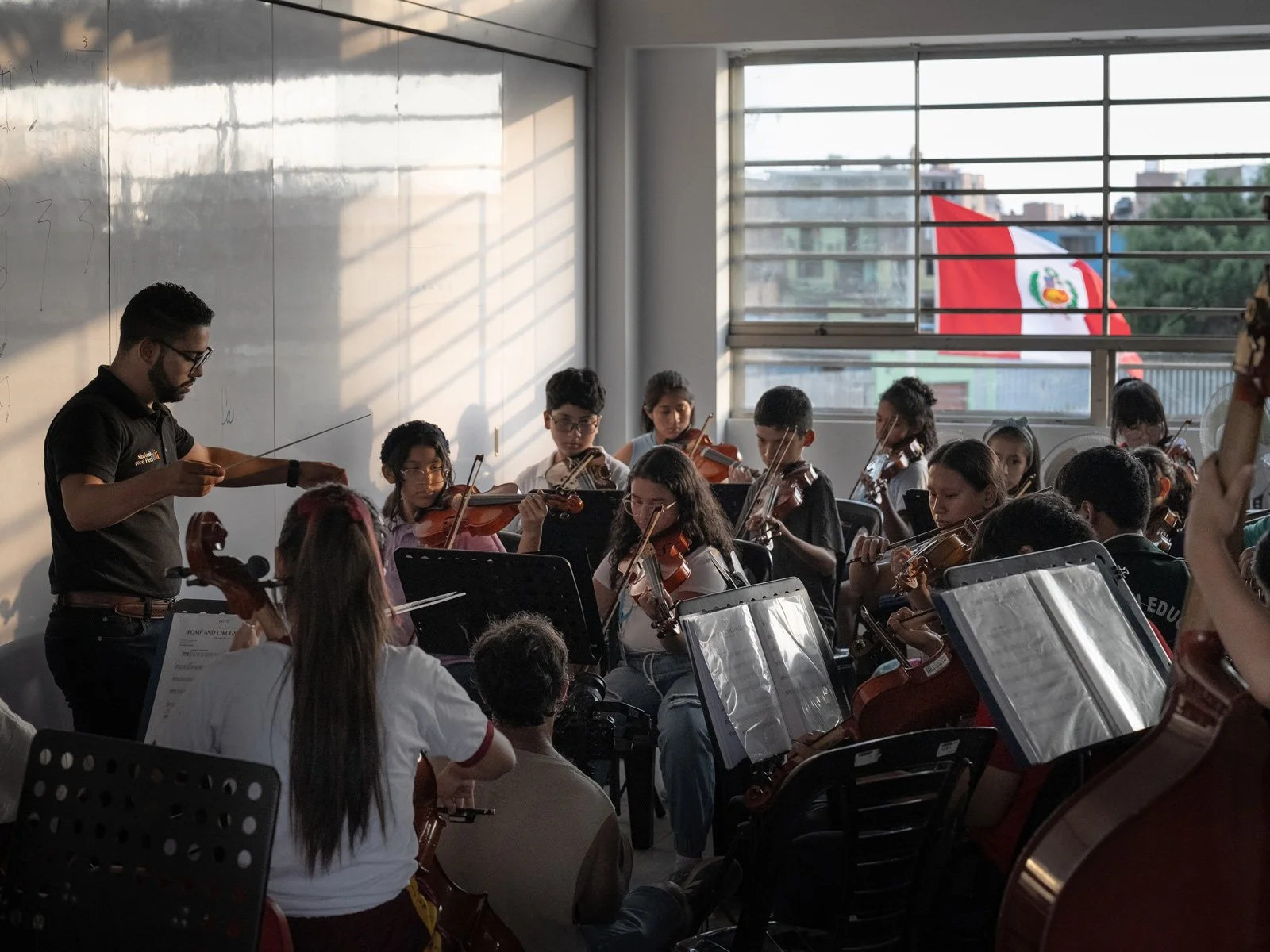
The Foundation supports grassroots music programs that provide children and young people with access to structured music education in challenging contexts. These programs focus on participation, discipline and teamwork, helping participants build confidence and life skills alongside musical abilities.
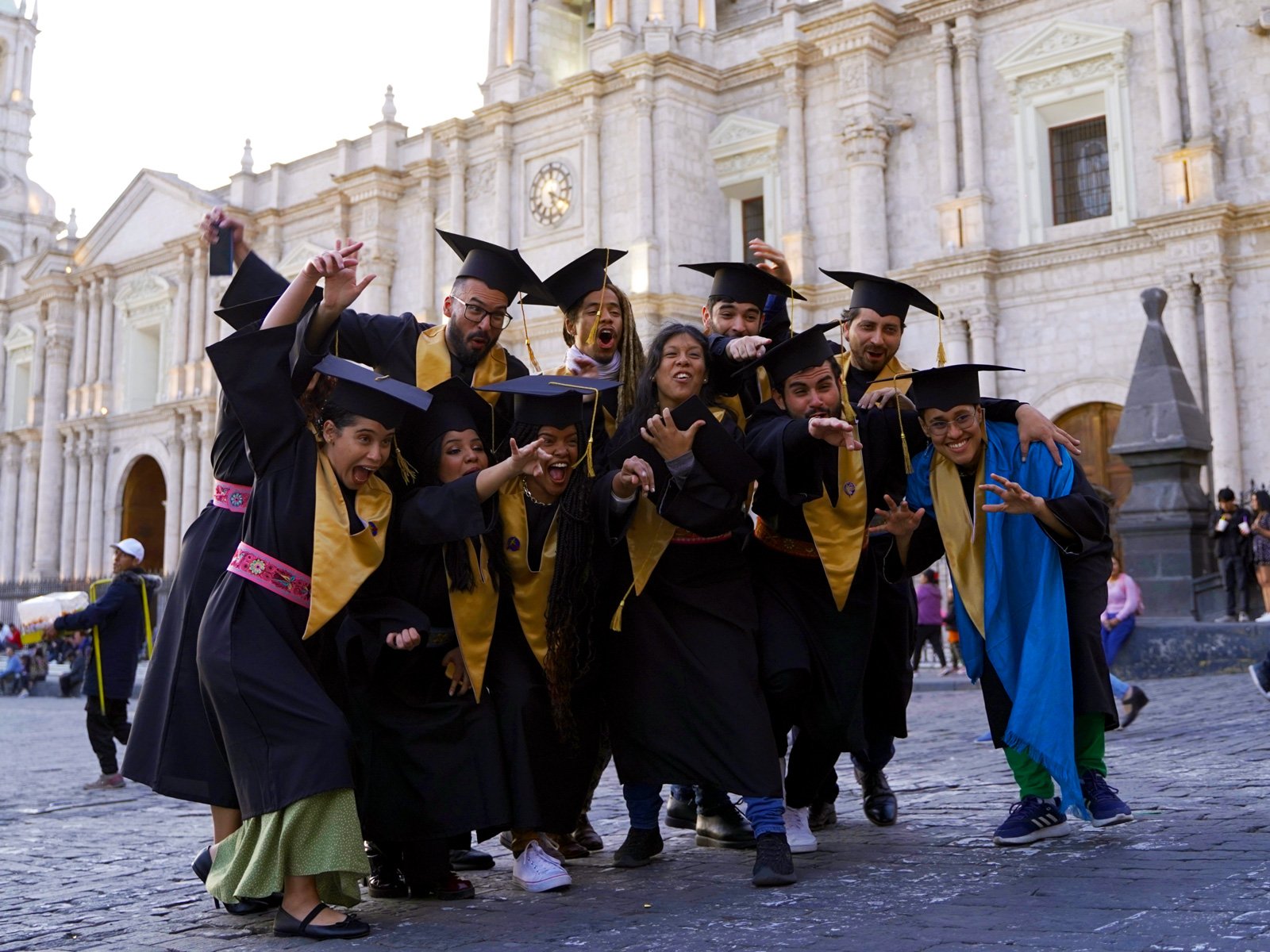
Teachers Training | AIM
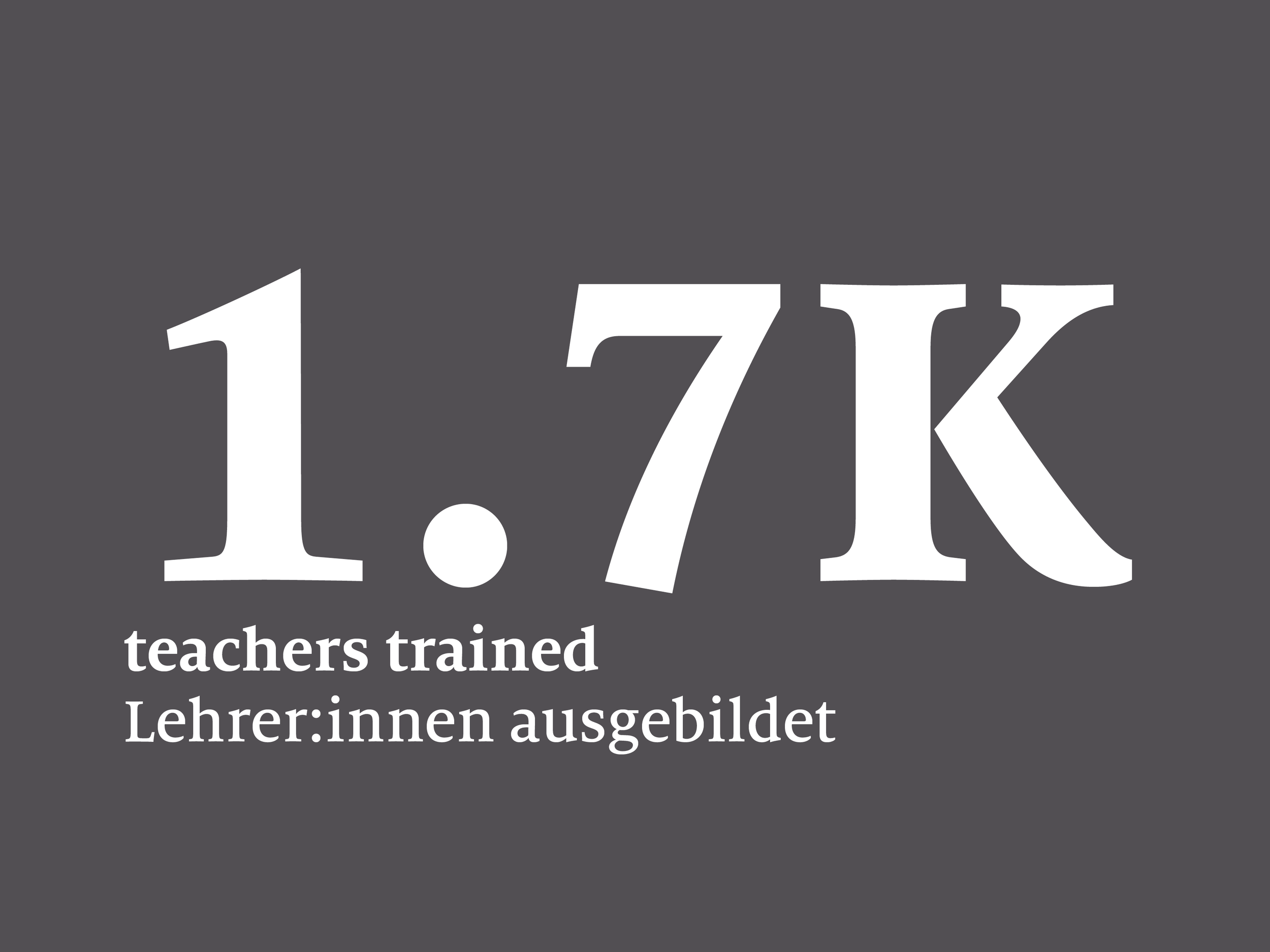
Sustainable impact requires well trained educators. Through the Academy for Impact through Music (AIM), the Foundation invests in the professional development of music teachers and program leaders. The training strengthens pedagogical skills, leadership capabilities and the long term quality of social music programs.
Building Bridges
Building Bridges connects social music initiatives with professional musicians, orchestras and cultural institutions. The program creates opportunities for exchange, joint performances and mentorship, helping young talents gain visibility while strengthening collaboration across cultural and social boundaries.
Global Network and Partnerships
Across all initiatives, the Foundation works with international partner organizations to strengthen local ownership and ensure cultural relevance. This global network enables knowledge sharing, continuous learning and the scaling of effective approaches across regions.
-
Why STEM matters
Strengthening STEM education is key to fostering innovation, competitiveness and long term economic resilience. The Hilti Foundation supports initiatives that nurture interest in science and technology at an early age, connect education with industry and promote advanced research and leadership development in the region.
pepperMINT - Inspiring Early Interest
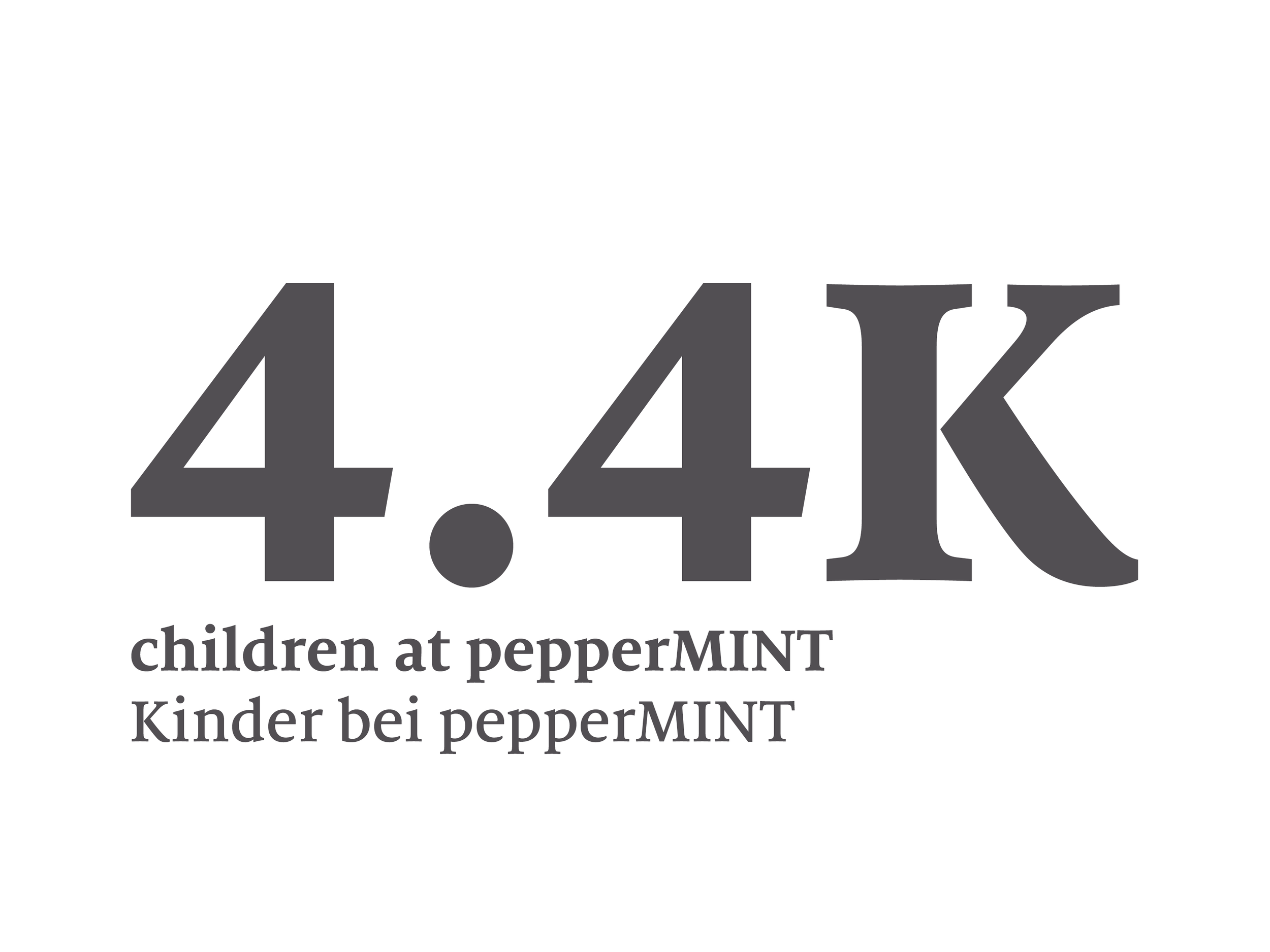
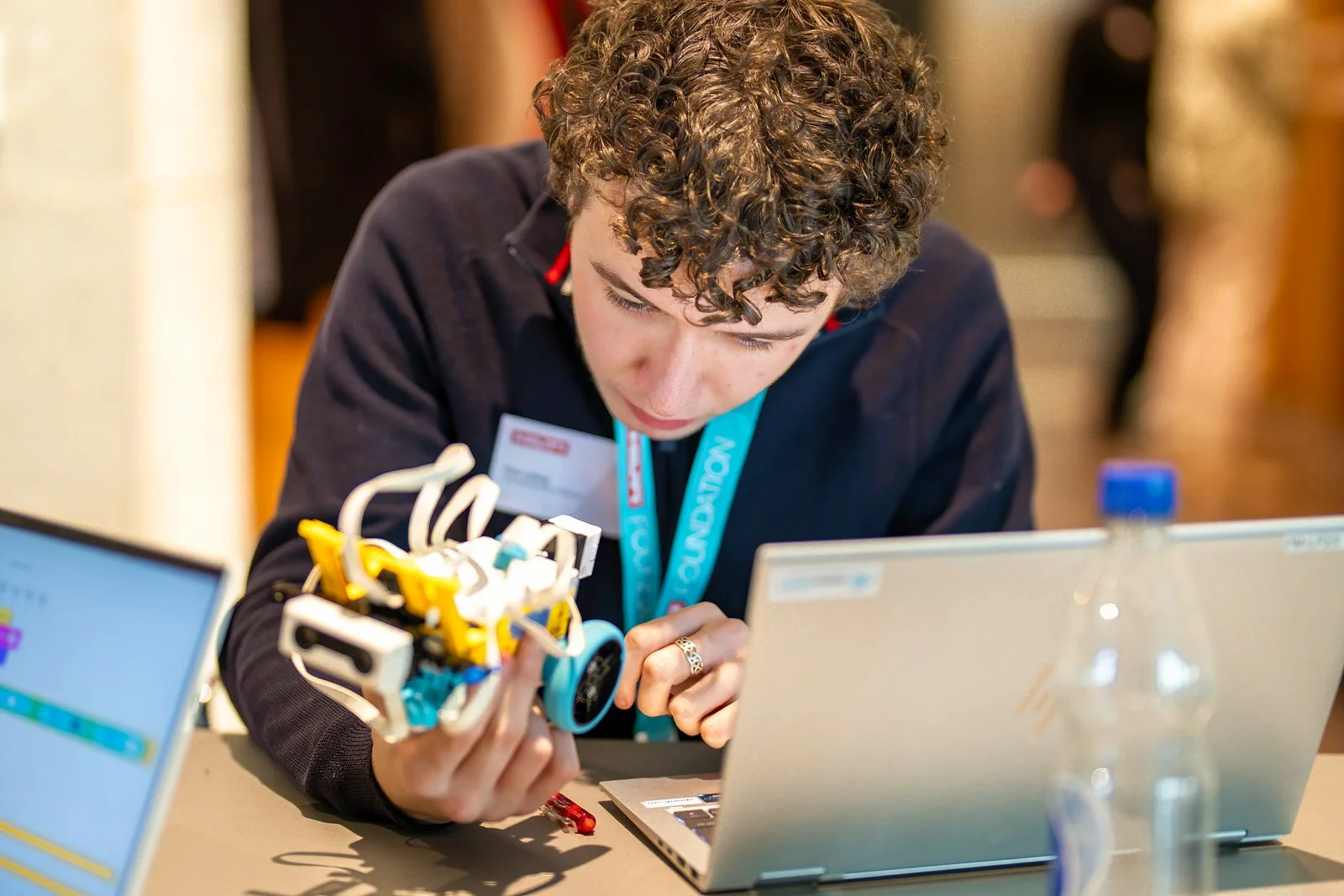
The experimental laboratory pepperMINT introduces children and young people to science and technology through hands on learning experiences. By supporting schools and educators, the initiative encourages curiosity, builds foundational skills and motivates students to pursue STEM pathways.
RhySearch - Applied Research and Industry Collaboration
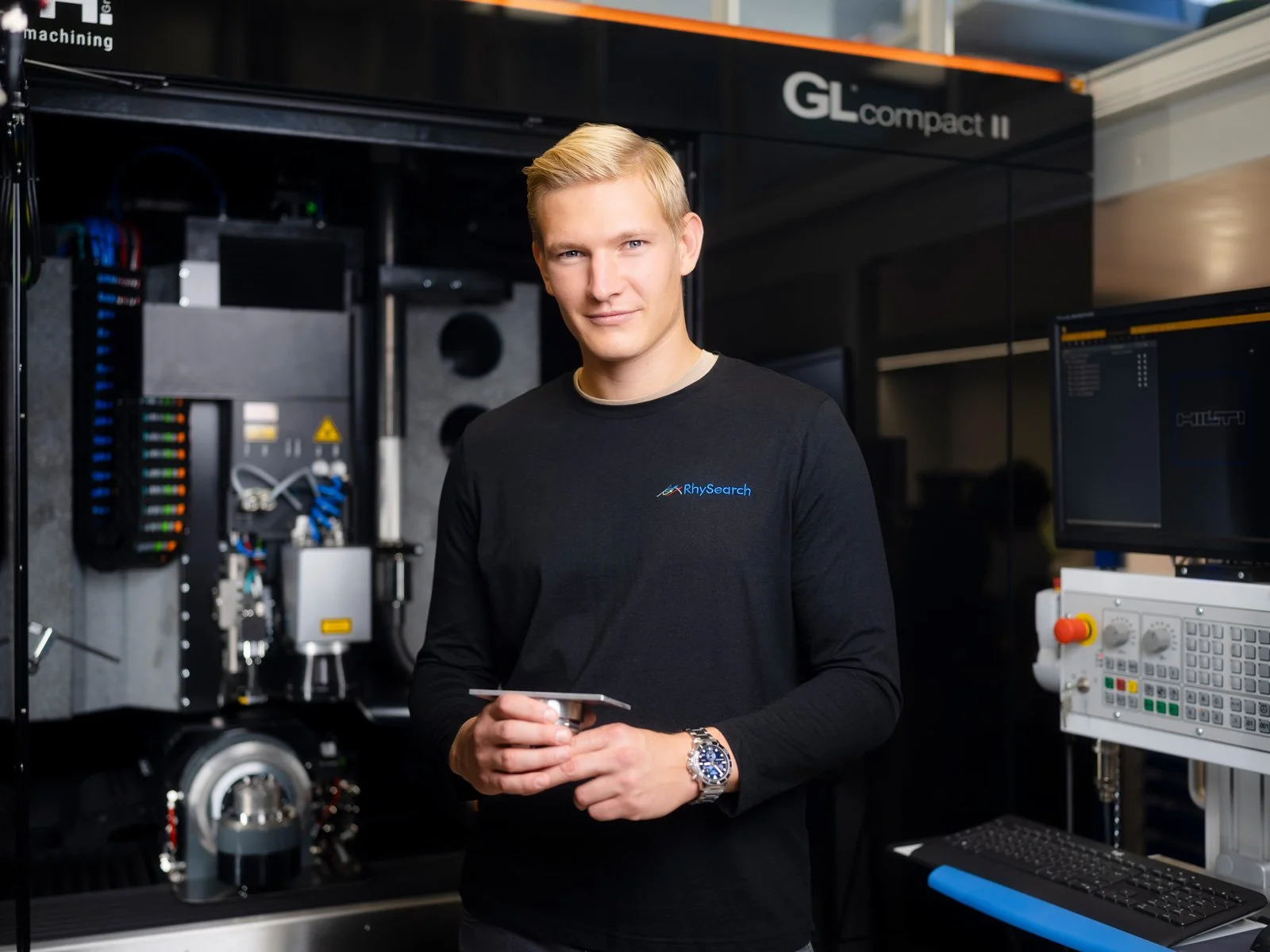
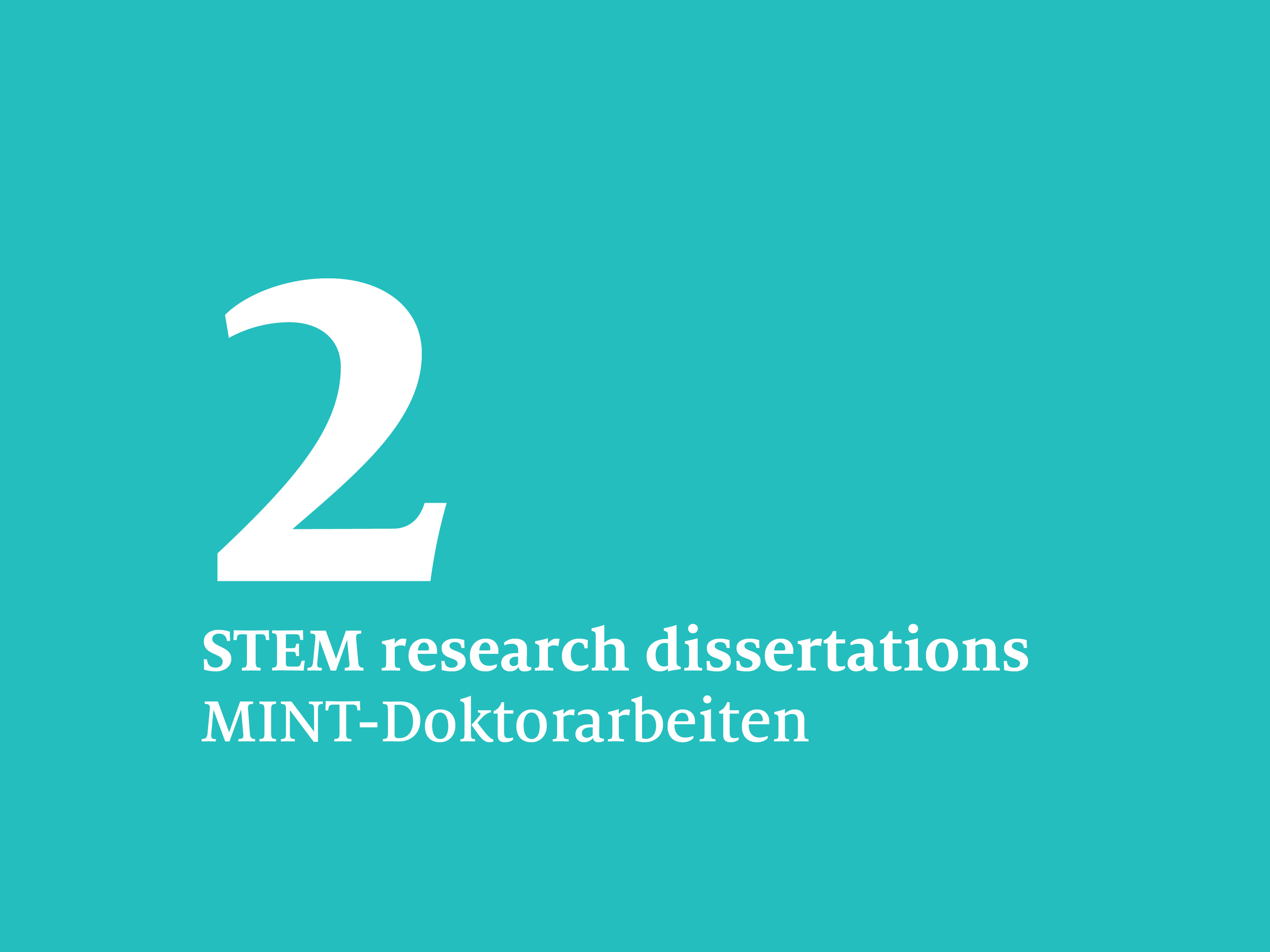
Through the support of doctoral research projects at RhySearch, the Hilti Foundation strengthens the regional high tech ecosystem. The funded research in areas such as laser technology and digital innovation fosters close collaboration between academia and industry, contributing to applied innovation and knowledge transfer.
IMD MBA Scholarship - Developing STEM Leadership
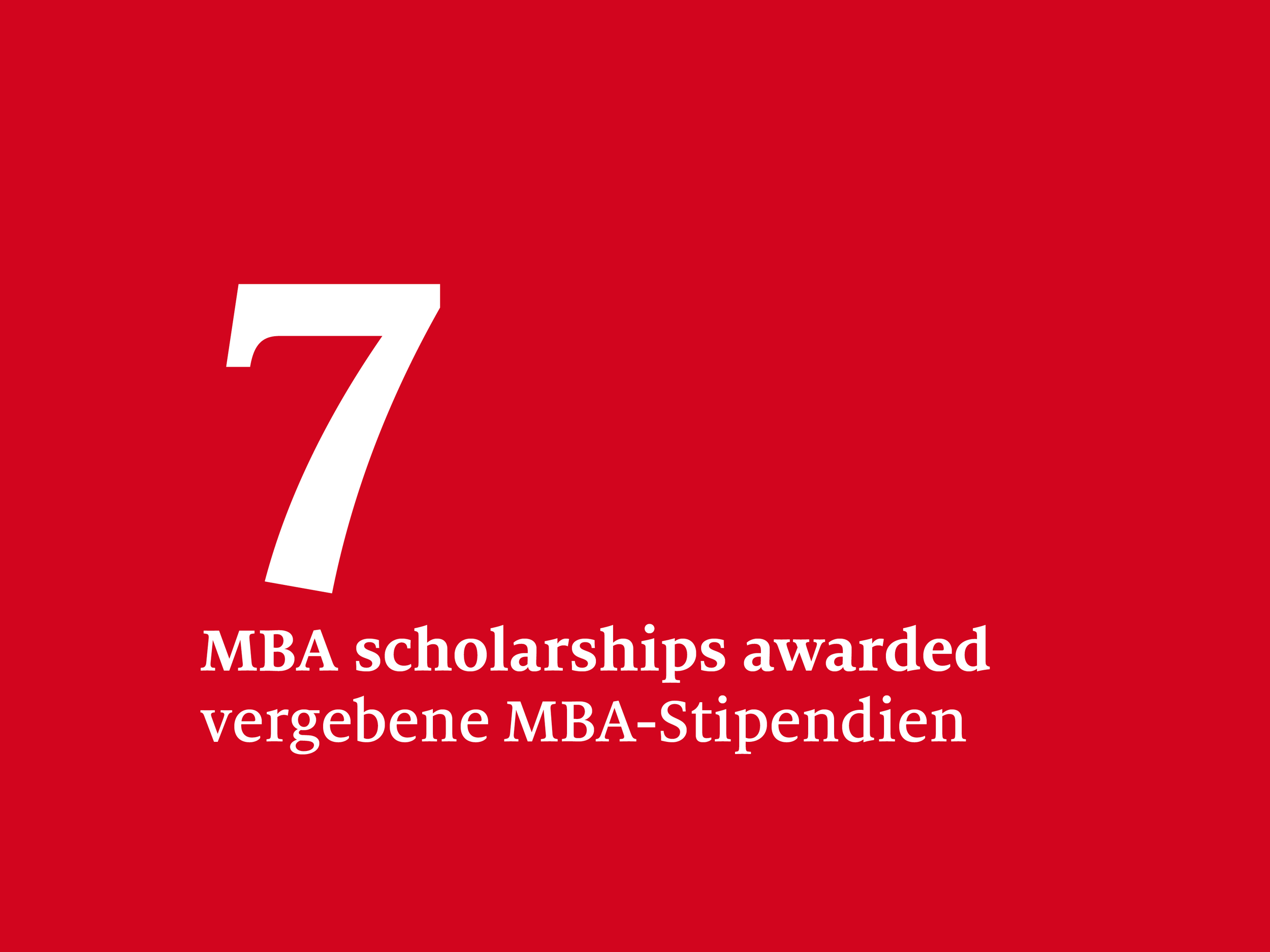
The Hilti MBA Scholarship at IMD Lausanne supports leadership development for professionals with a STEM background. By promoting diversity and talent development, the program contributes to strengthening the next generation of leaders at the intersection of technology, innovation and business.
ETH Robotics - Advancing Frontier Technologies
The Hilti Robotics Chair at ETH Zurich supports cutting edge research in robotics, a field with significant future potential. The collaboration enhances research networks, strengthens technological capabilities and provides access to global top talent in advanced engineering disciplines.
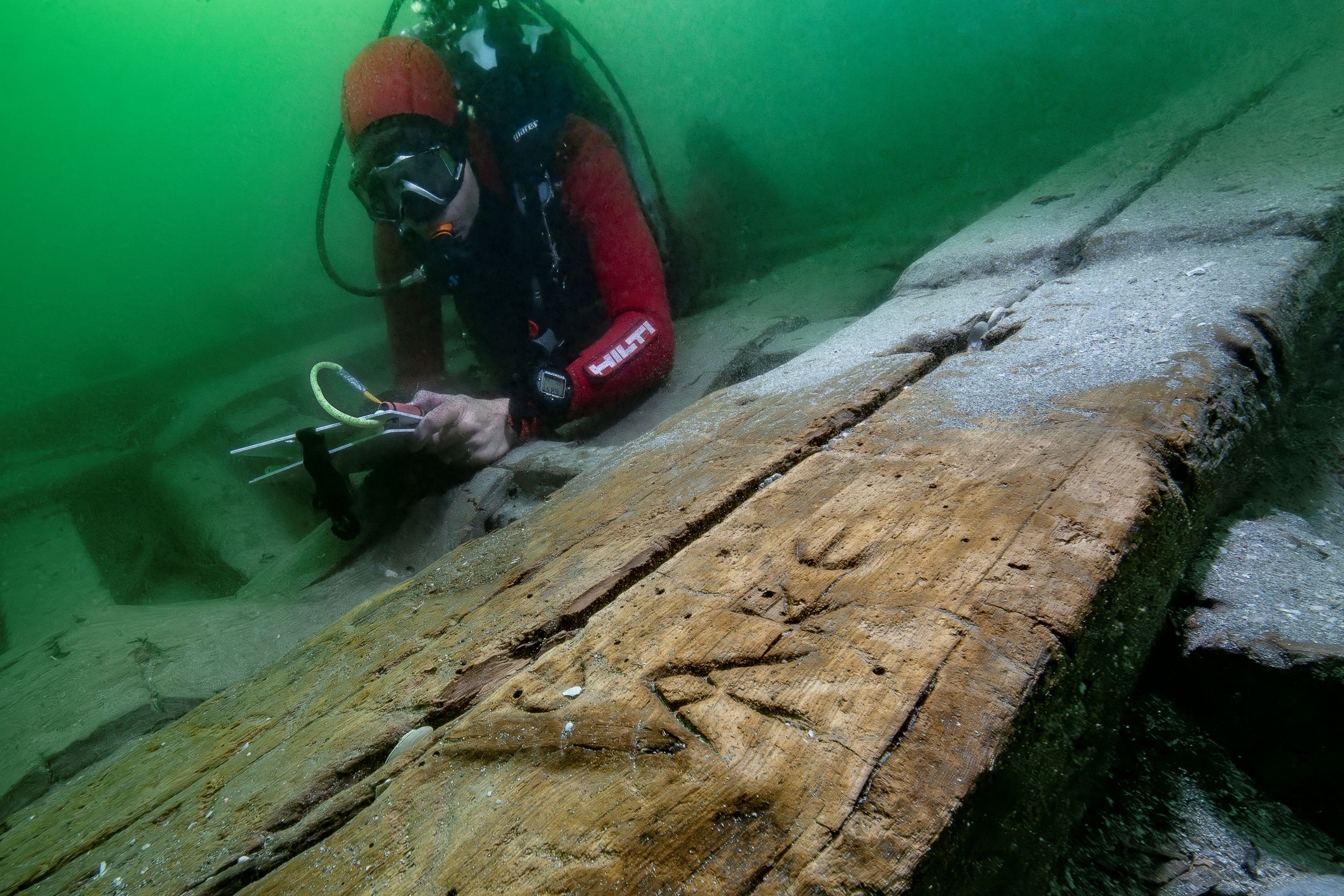
Franck Goddio 2025 Highlights
From the discovery of the Thalamegos to major international exhibitions, explore the key moments of an exceptional year.
-
Why Corporate Volunteering
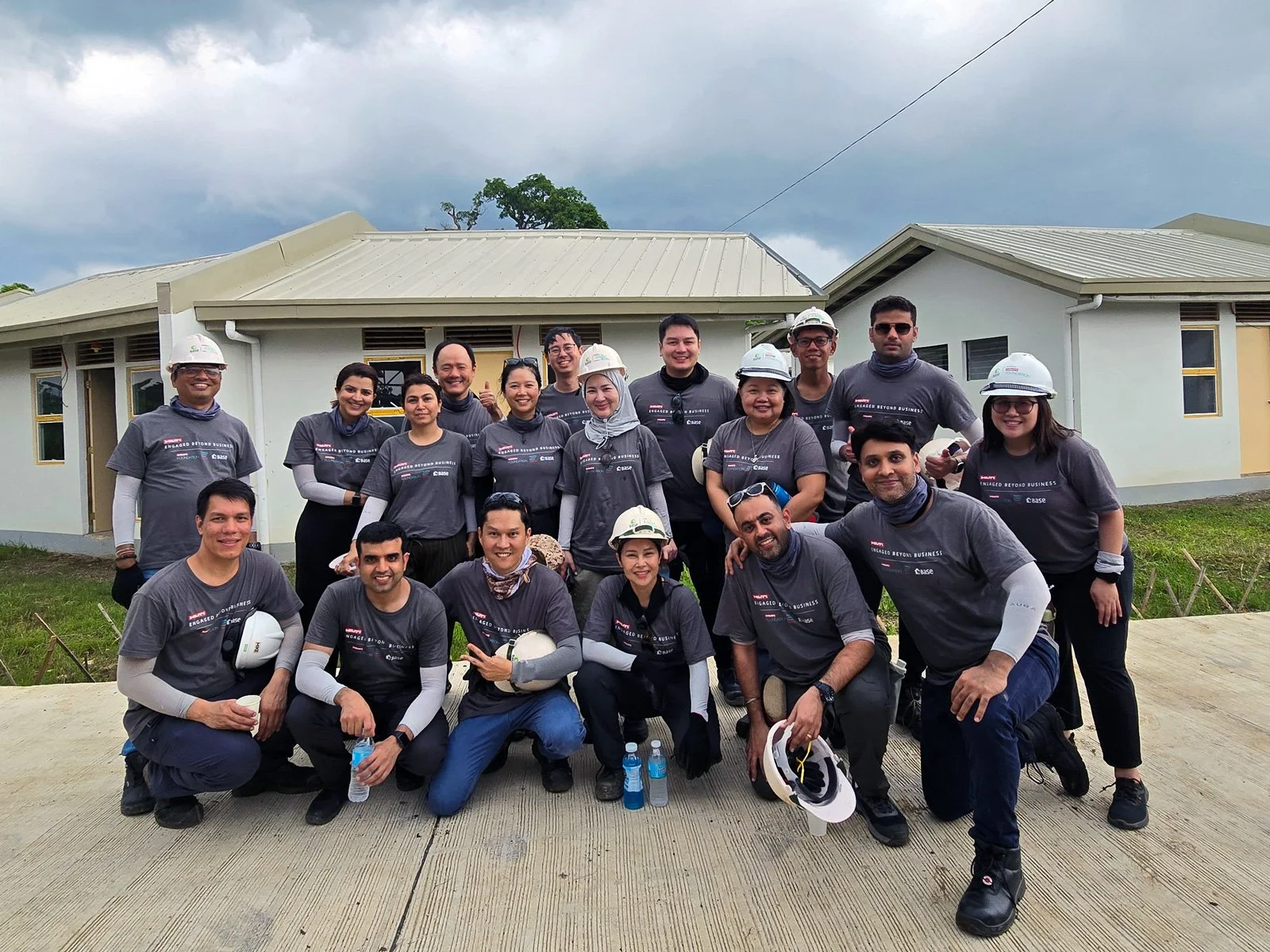
Engaged Beyond Business (EBB) is Hilti’s corporate volunteering program, developed in collaboration with the Hilti Foundation. While many initiatives are employee-led, the Hilti Foundation supports selected projects, highlighting the commitment of Hilti's employees to driving positive change around the world.
Building Homes
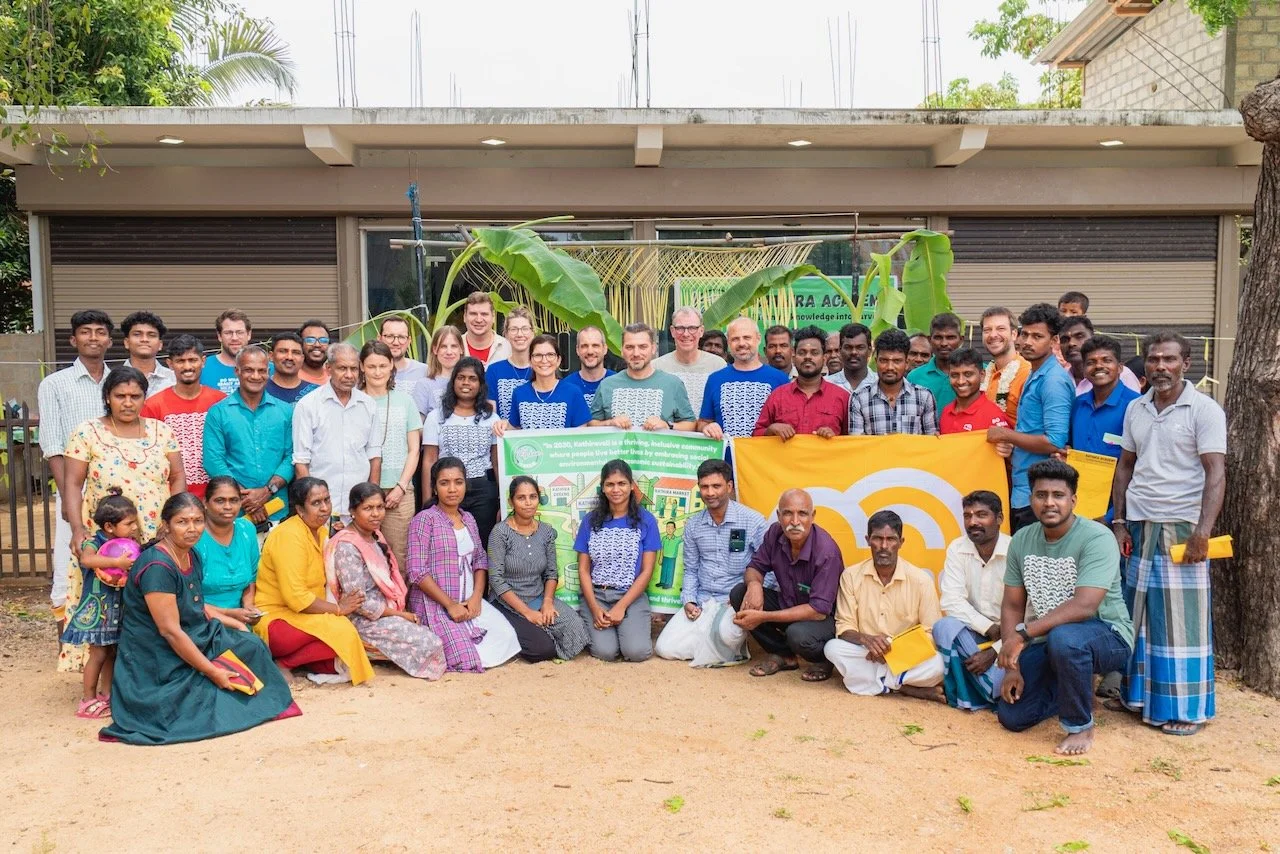
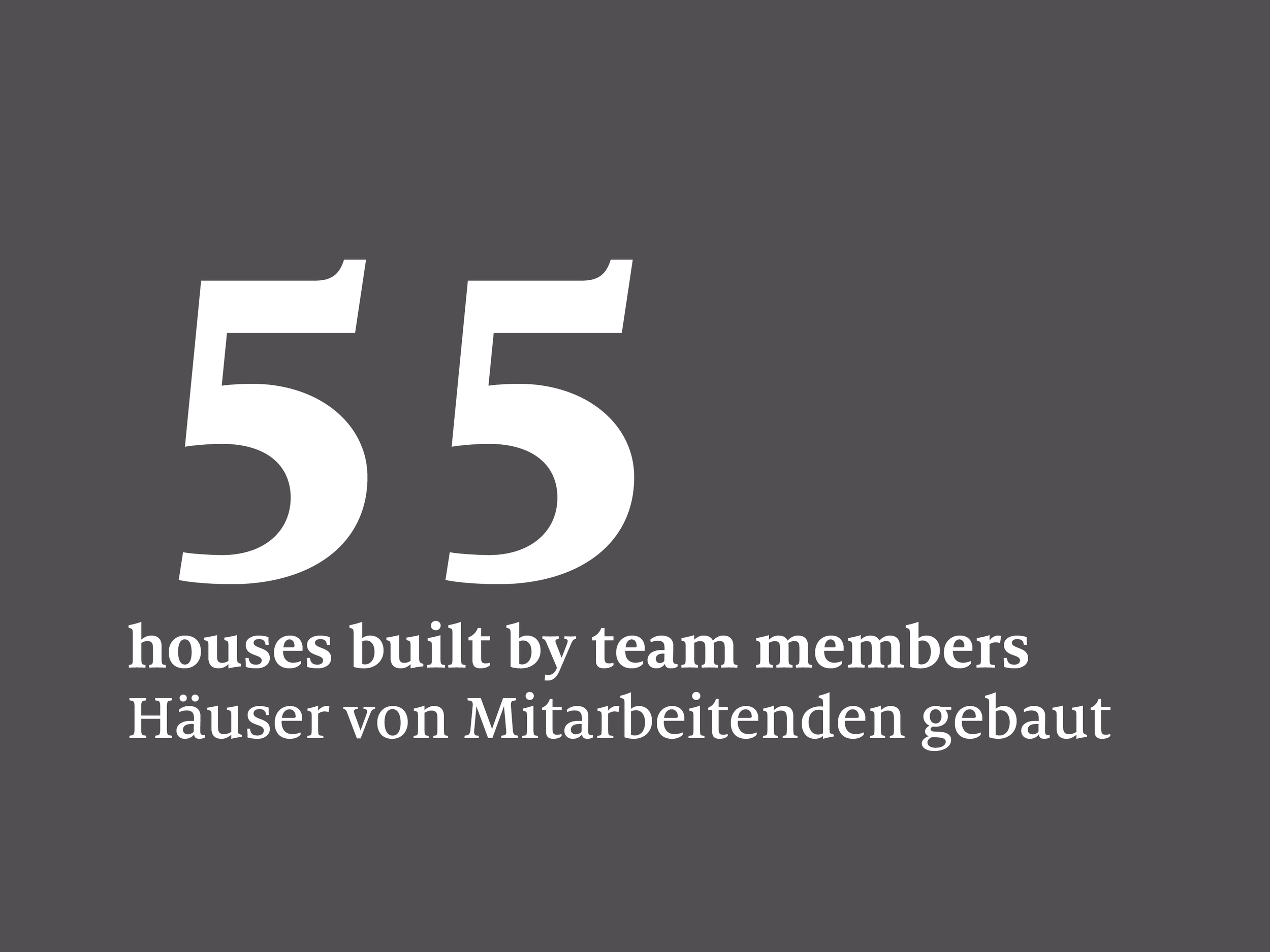
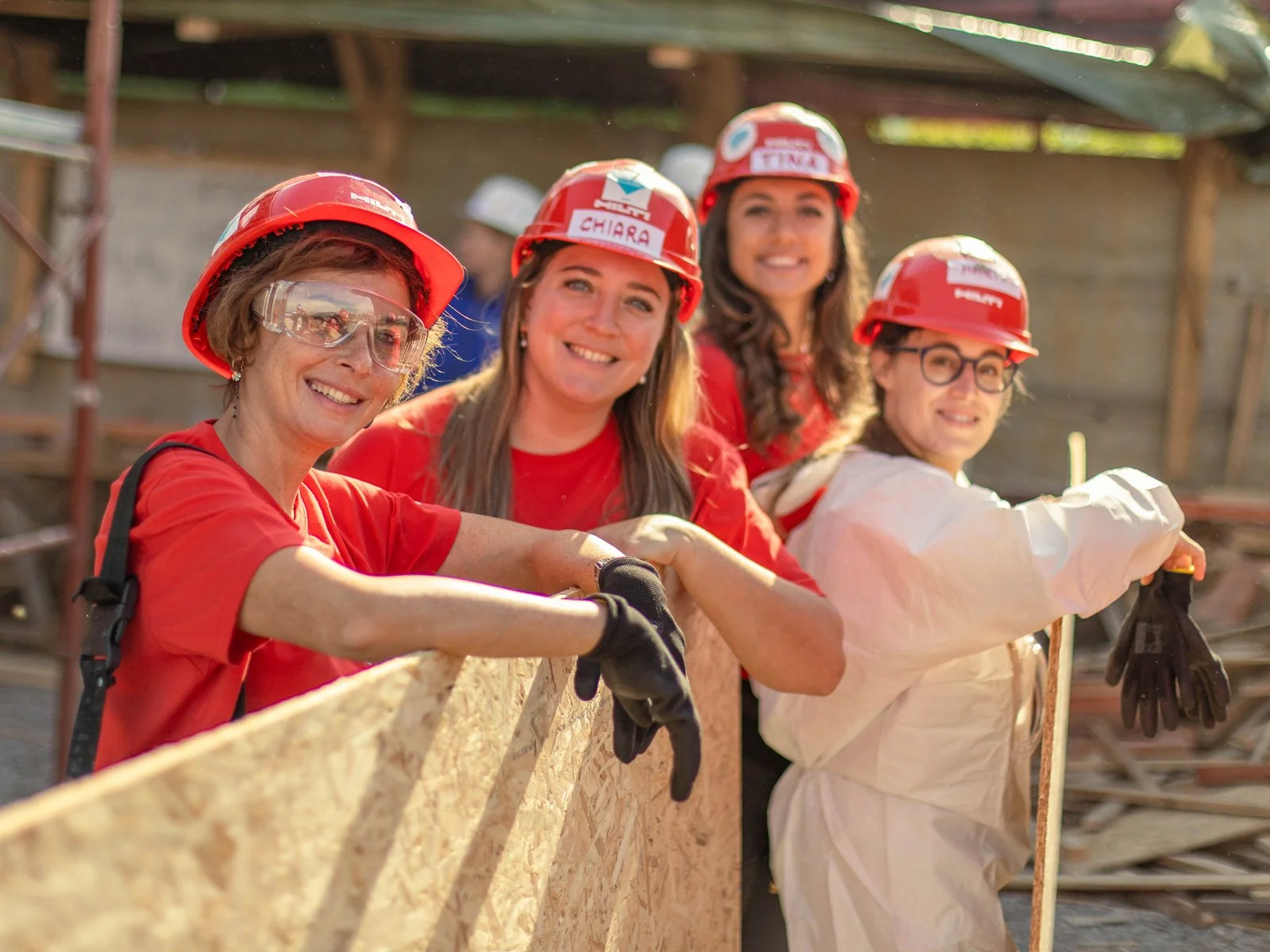
Through the Houses for Philippines, Bosnia-Herzegovina and Romania programs, Hilti employees volunteer alongside local NGOs to build homes for families facing precarious living conditions. Volunteers support construction tasks during a five-day on-site assignment, helping improve living conditions for the families.
Leading with Impact
Leading with Impact is a leadership and entrepreneurial training initiative (Capability Program by Bookbridge) for Hilti employees. It combines in-person and online learning and includes hands-on experience, with participants collaborating with local communities to launch sustainable social enterprises.
Microfinance & Donations
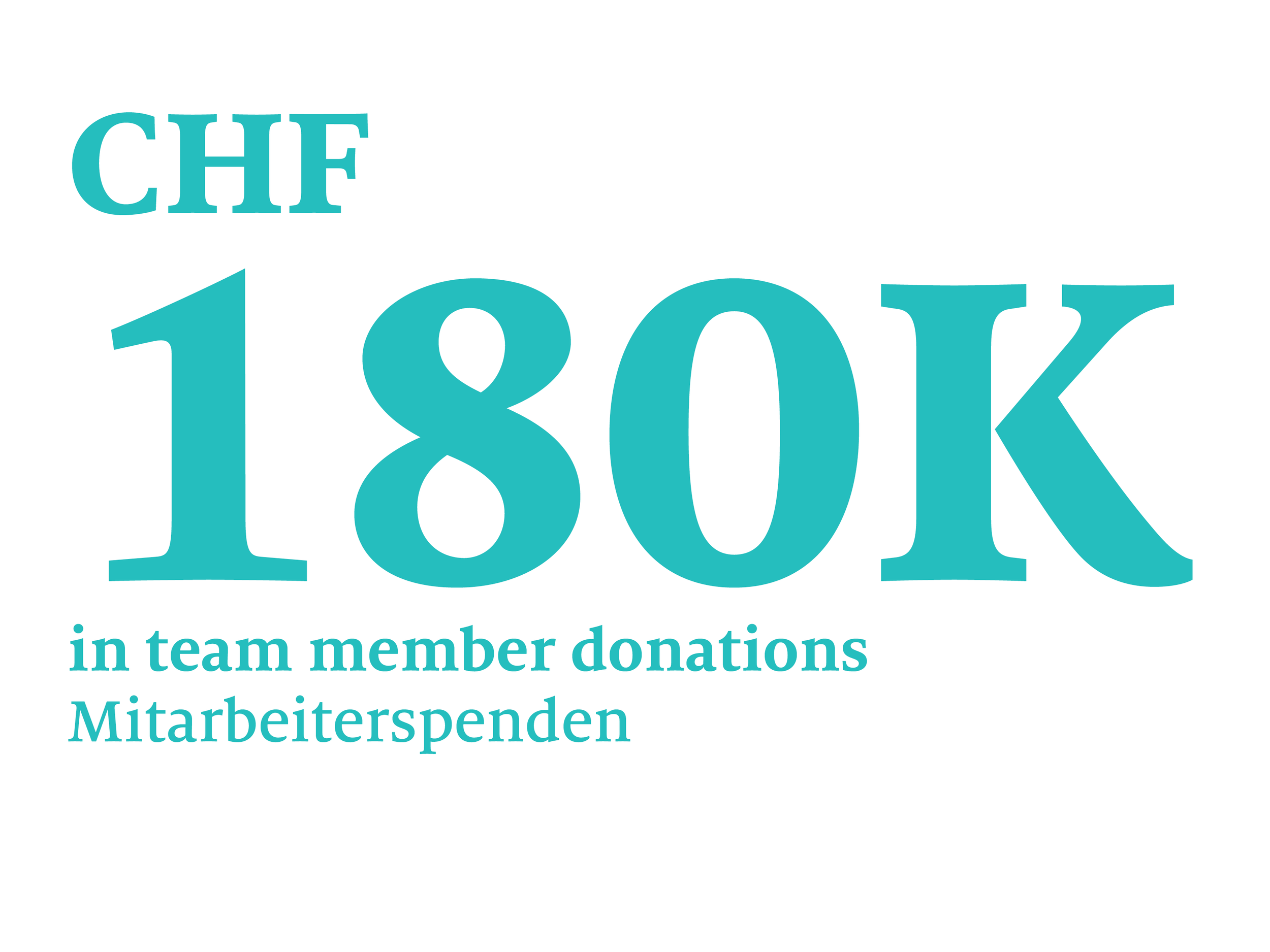
EBB also includes initiatives powered by donations from Hilti employees. This includes microloans via Kiva that help individuals start businesses and improve livelihoods, as well as selected education and skills projects that support long-term social and economic development.
-
Why Family & Work matters
Balancing professional and family responsibilities is a key factor for social stability, economic resilience and equal opportunity. The Hilti Foundation supports initiatives that strengthen childcare infrastructure, promote innovative solutions and contribute to a more family friendly environment in the region.
Strengthening Childcare Infrastructure
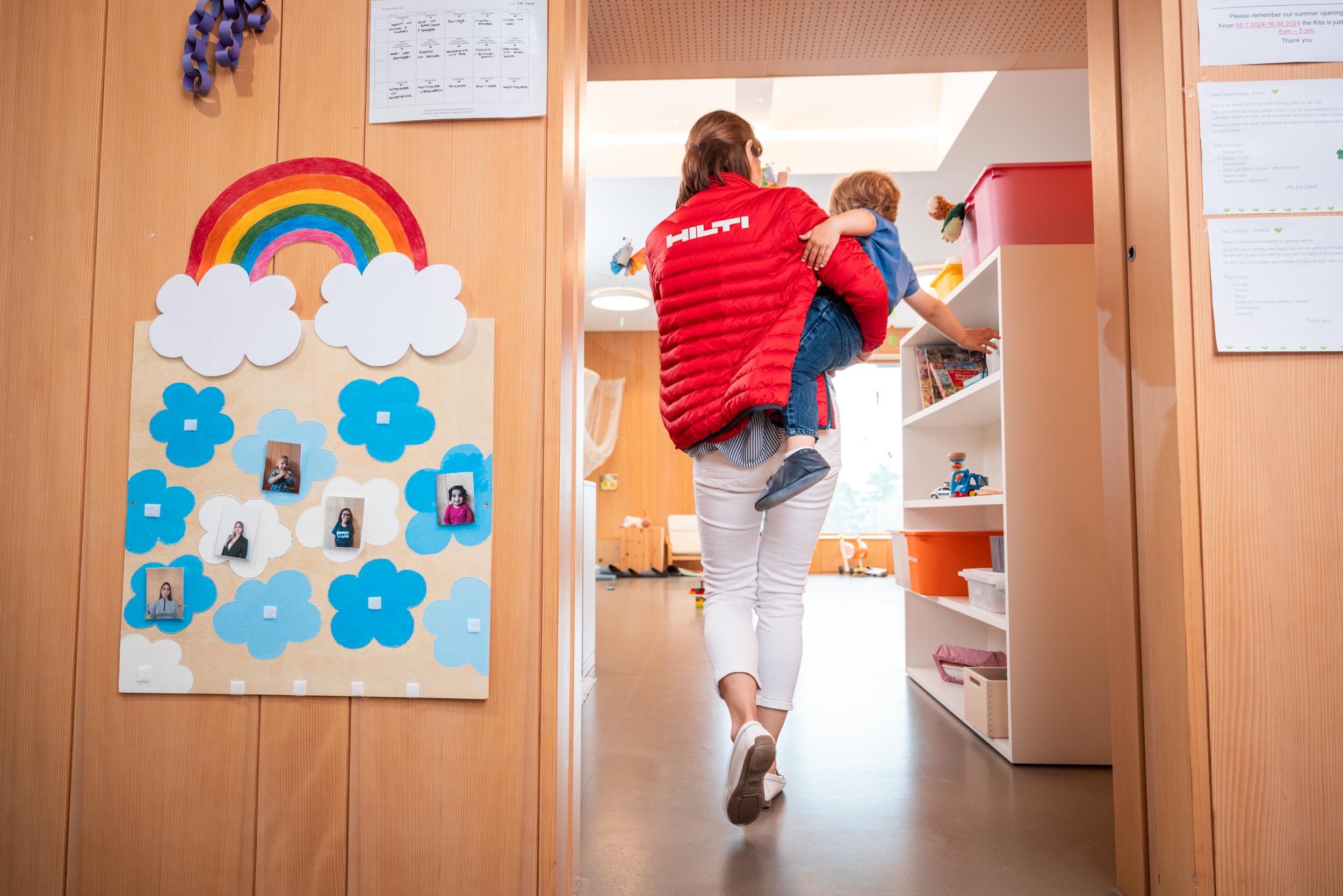
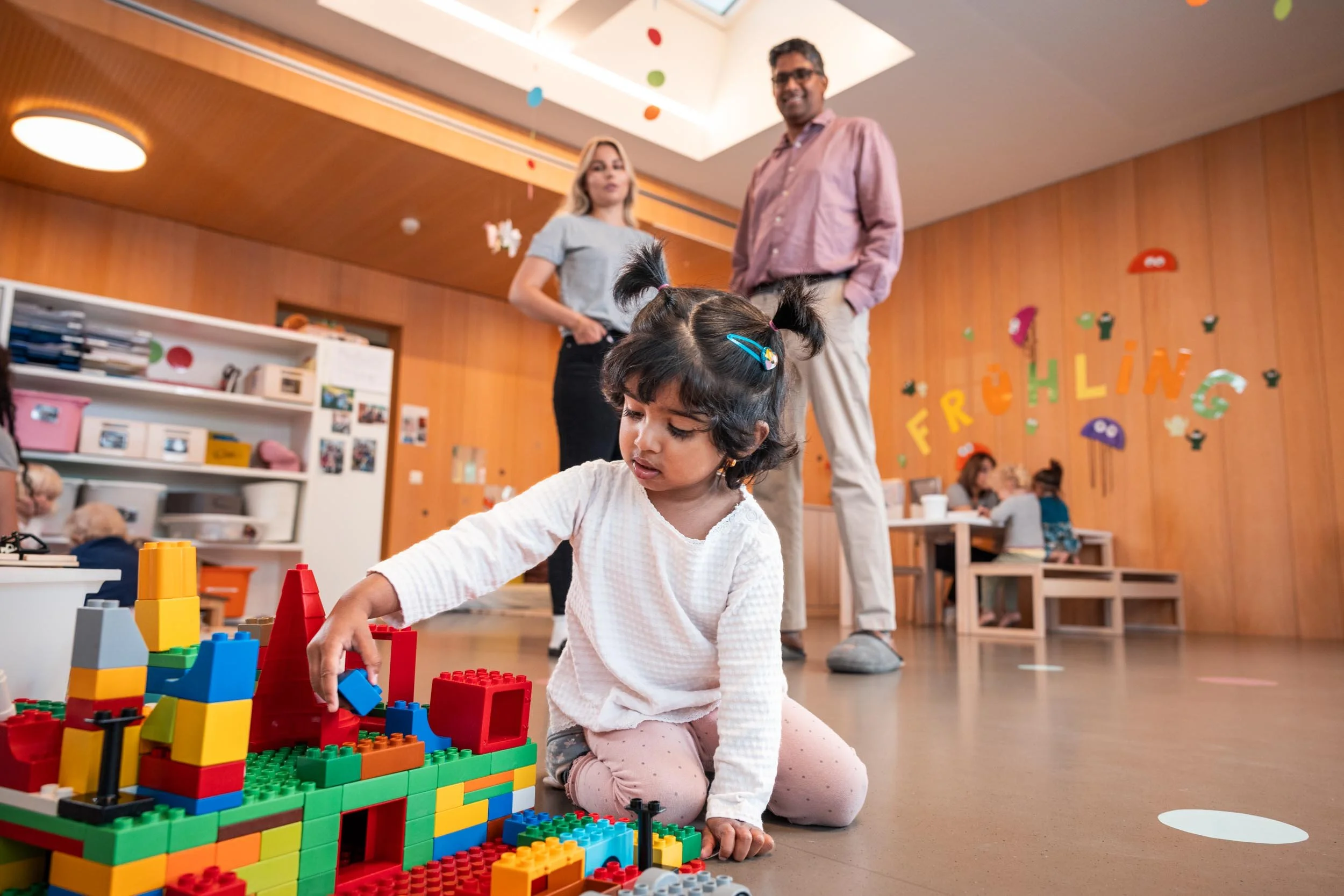
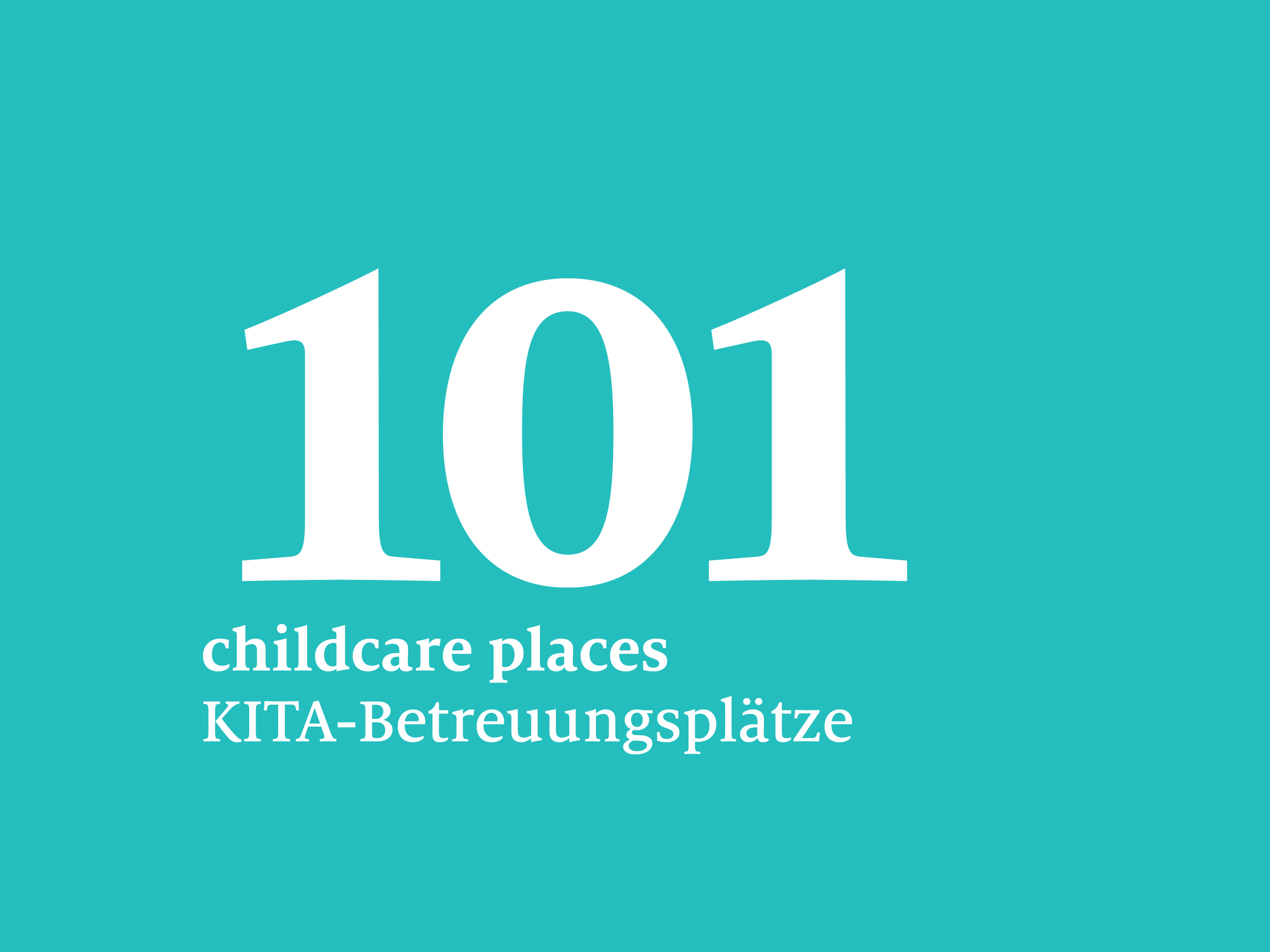
To address the growing demand for out of home childcare, the Foundation supports the expansion and development of childcare facilities in the region. This includes new childcare places as well as qualitative improvements in existing institutions, helping working parents reconcile professional and private responsibilities.
Evidence Based Development
To better understand the needs of employees and employers, a comprehensive study on family and work compatibility has been initiated in collaboration with academic partners. The findings will serve as a basis for identifying gaps and shaping future measures in a targeted and sustainable way.
International School Rheintal (ISR)
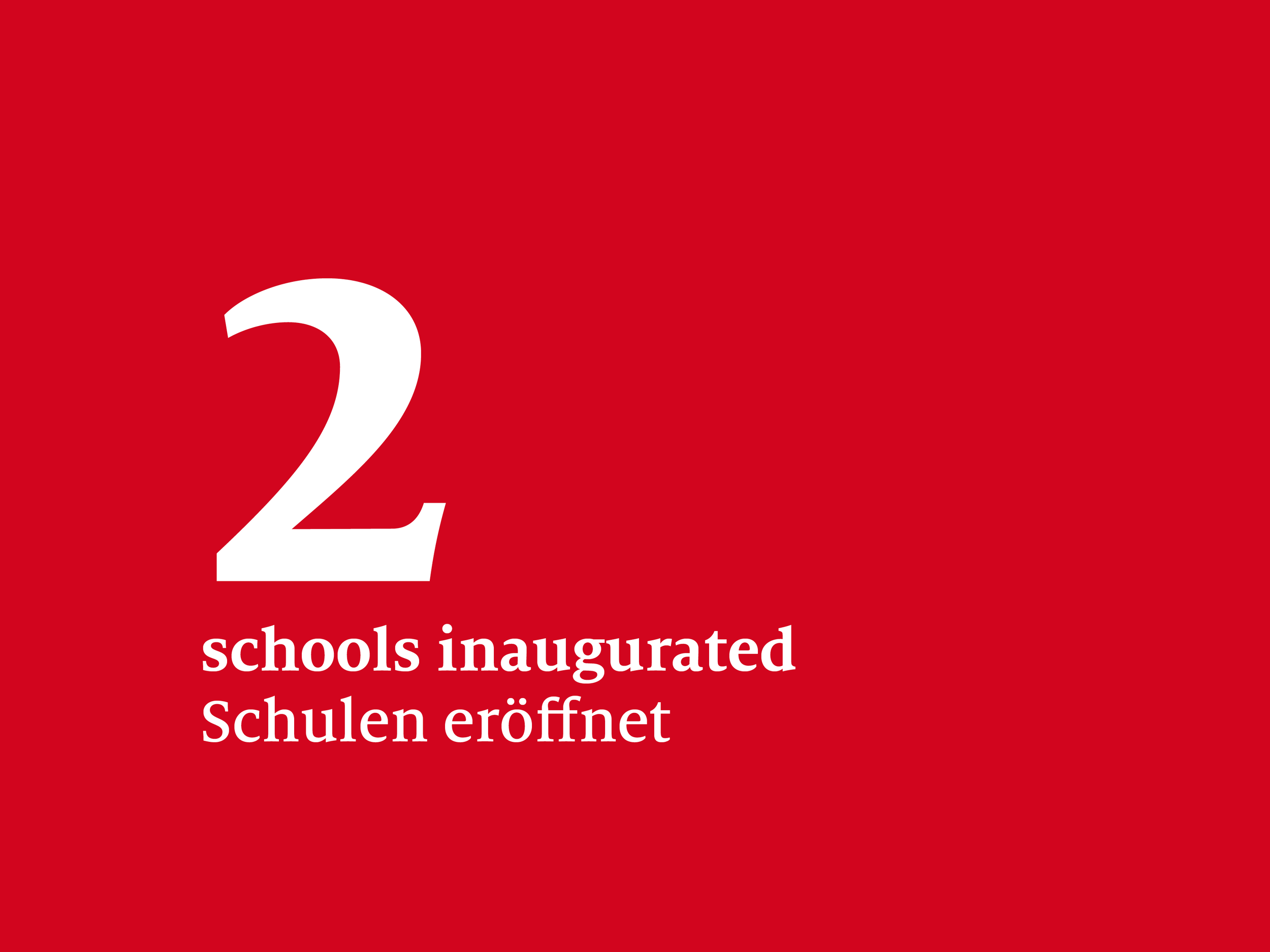
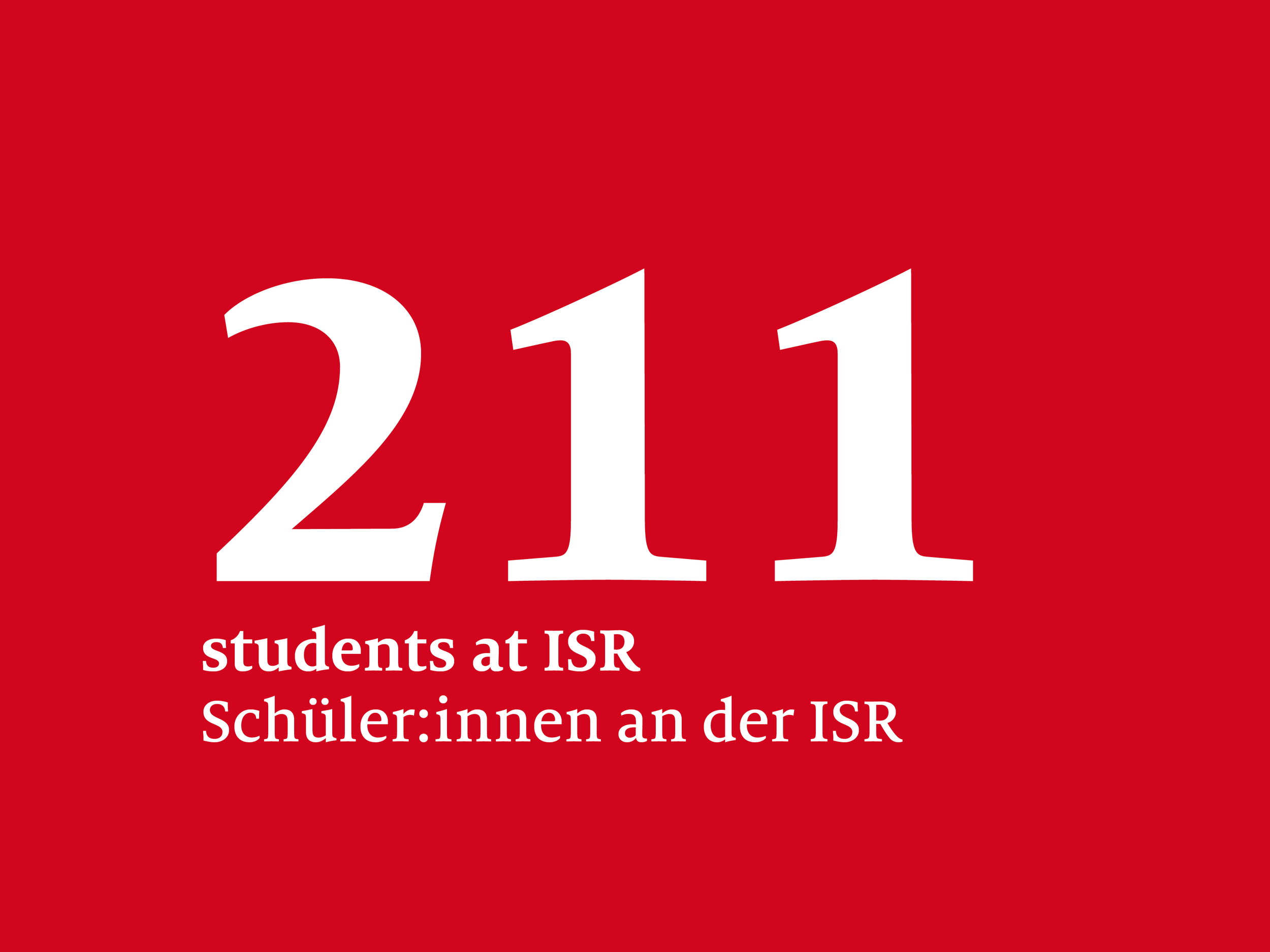
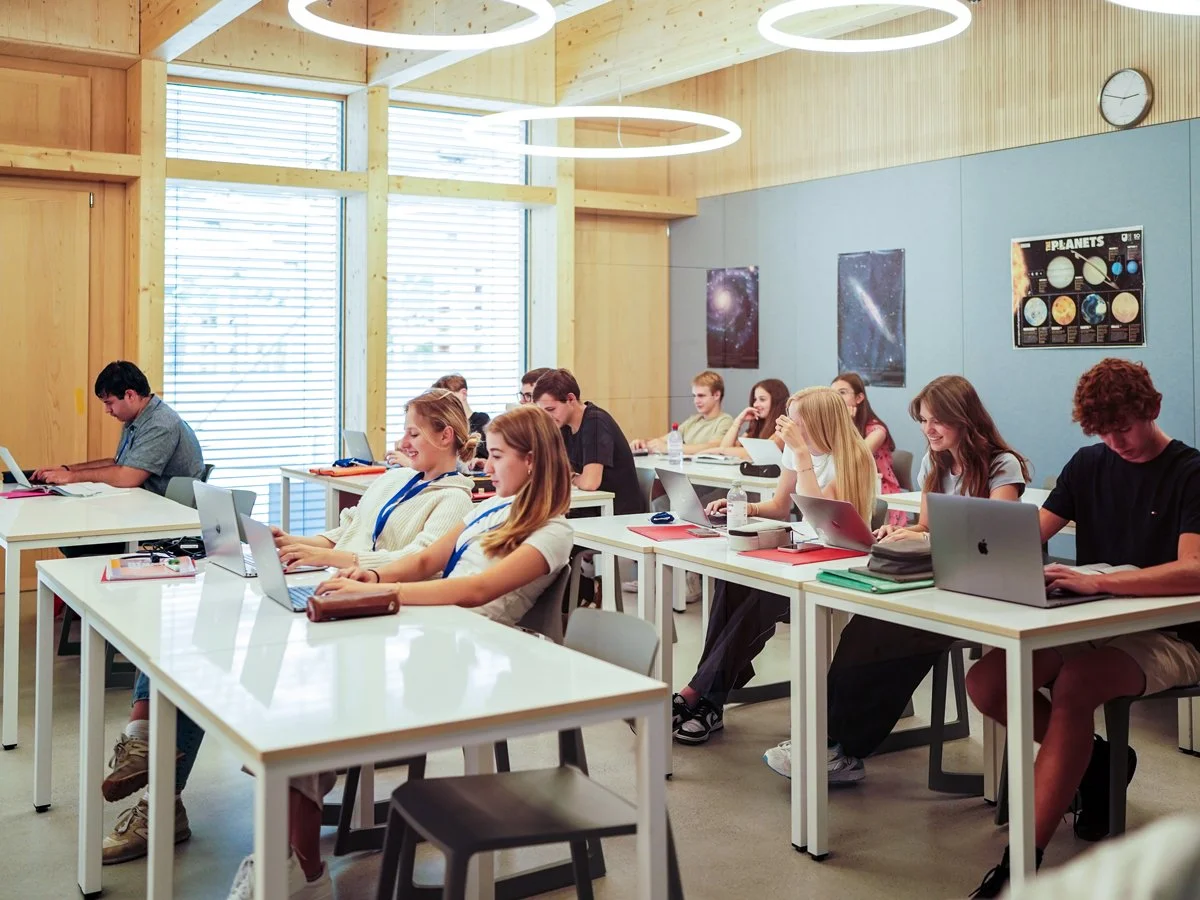
The International School Rheintal complements childcare infrastructure by providing high quality international education in the region. With the opening of the new campus and a growing student community, the school strengthens the region’s attractiveness for international professionals while also expanding access to education locally. Through scholarship programs, the Foundation supports equal opportunity and enables talented students to benefit from an international curriculum.
-
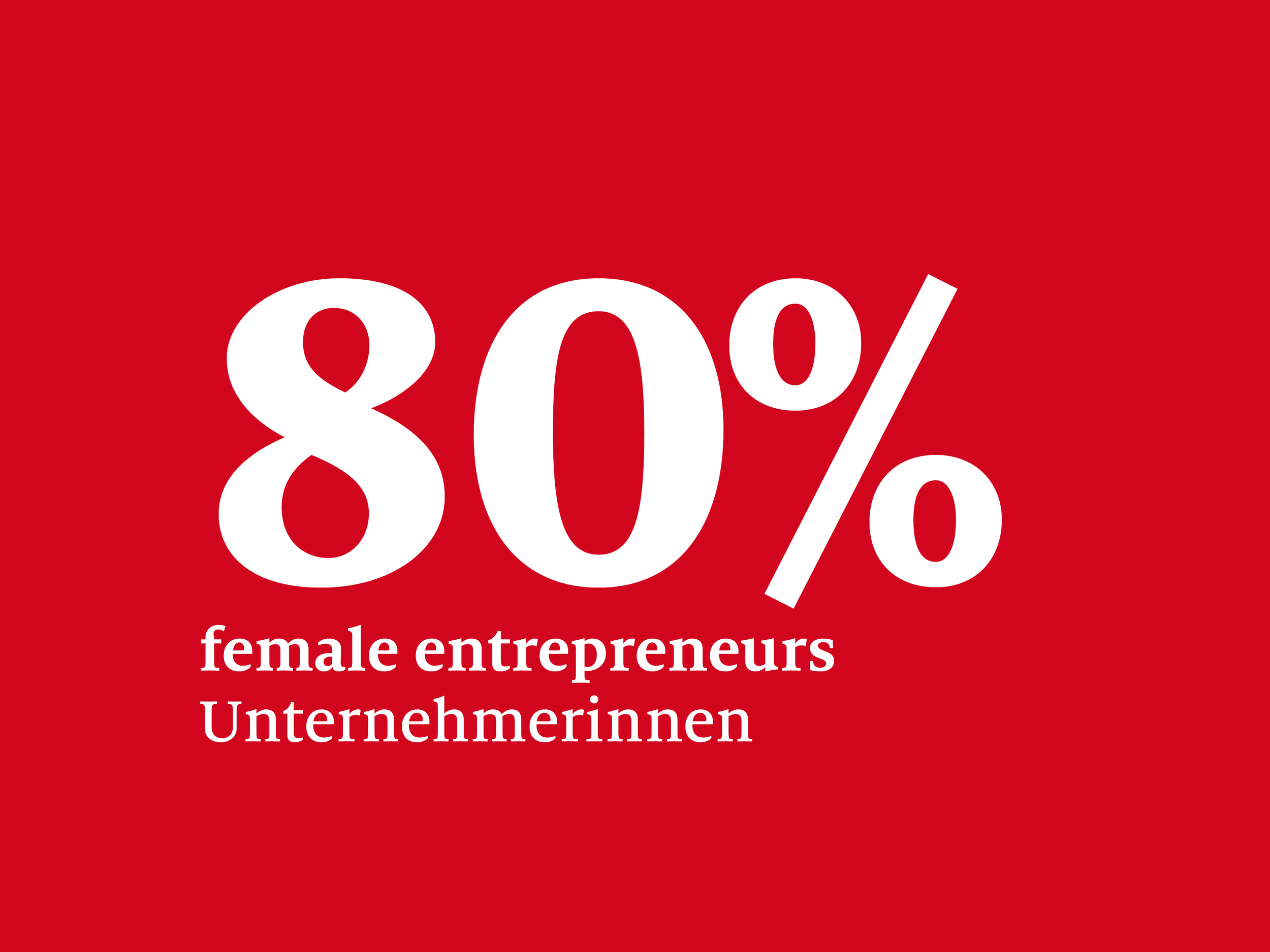
Why Entrepreneur Training?
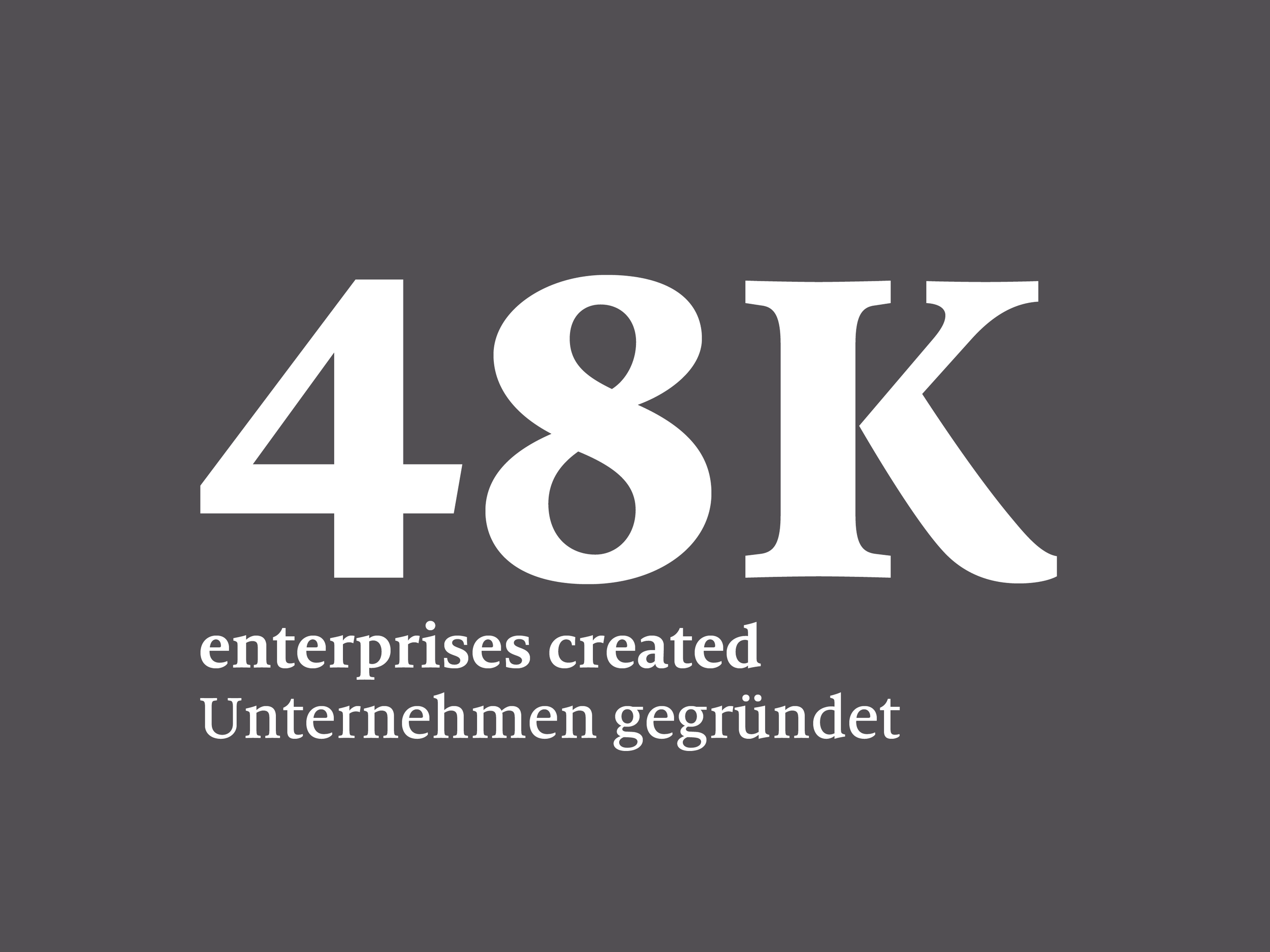
Rural poverty in Eastern Africa persists because economic systems do not enable sustained income progression.
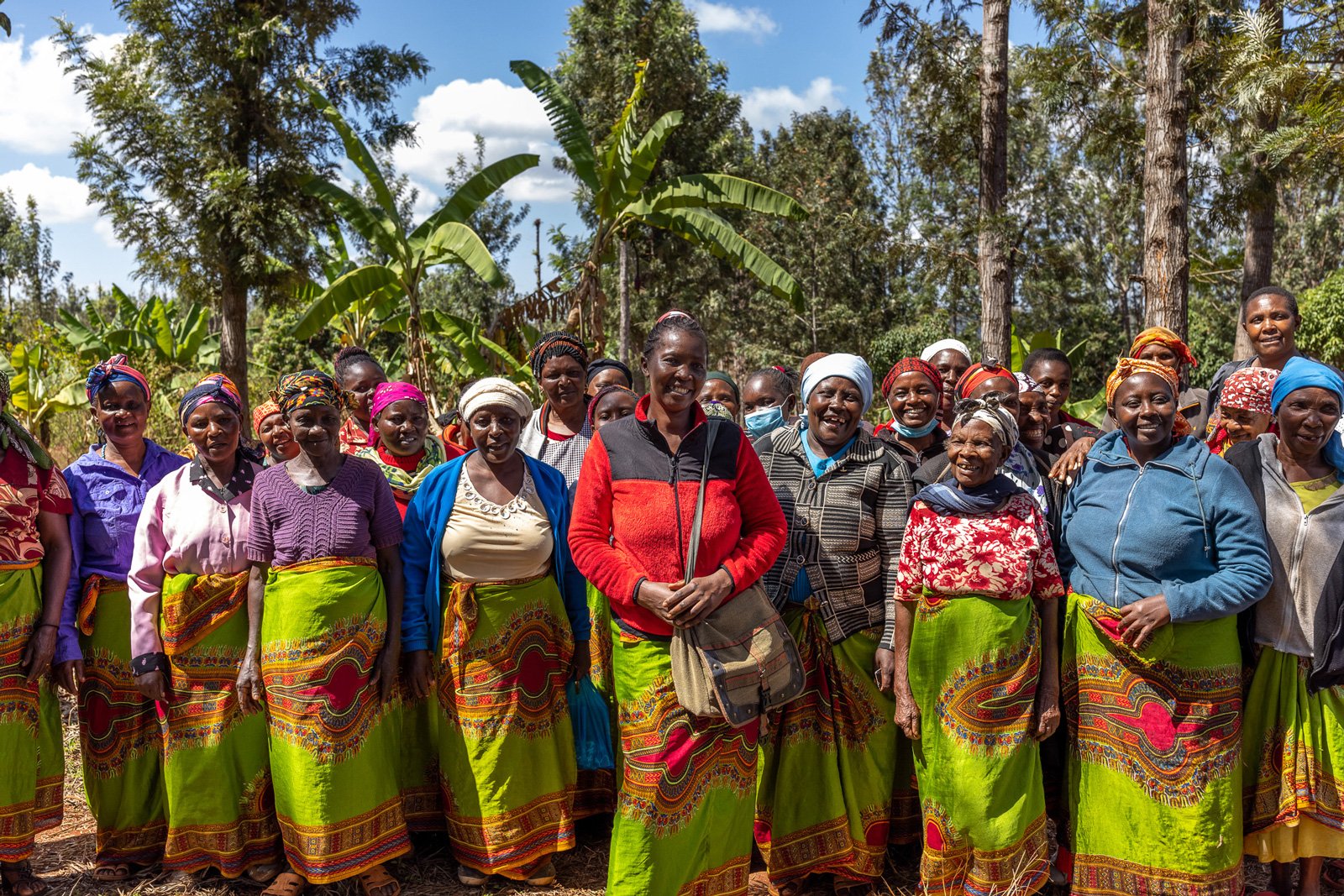
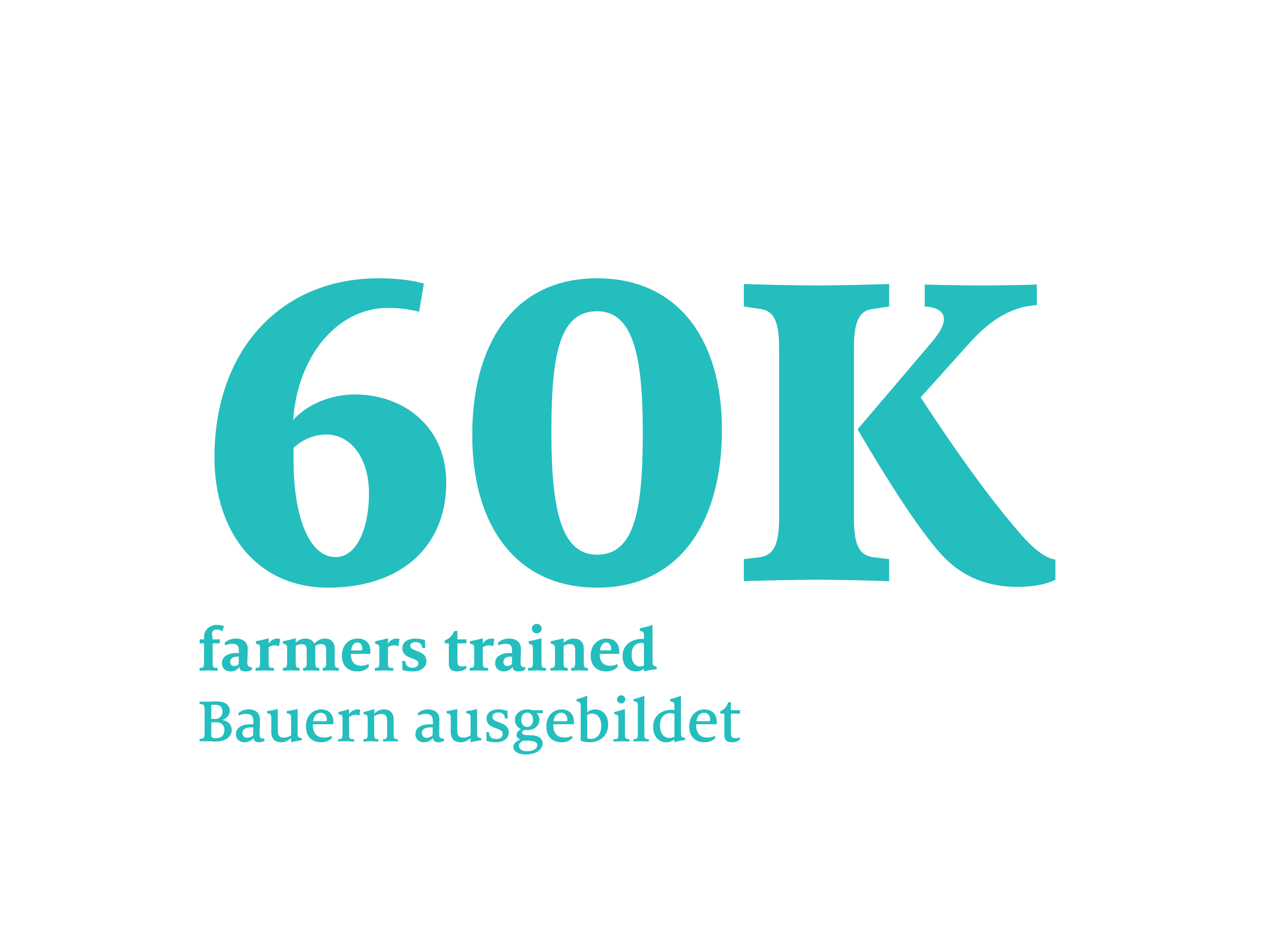
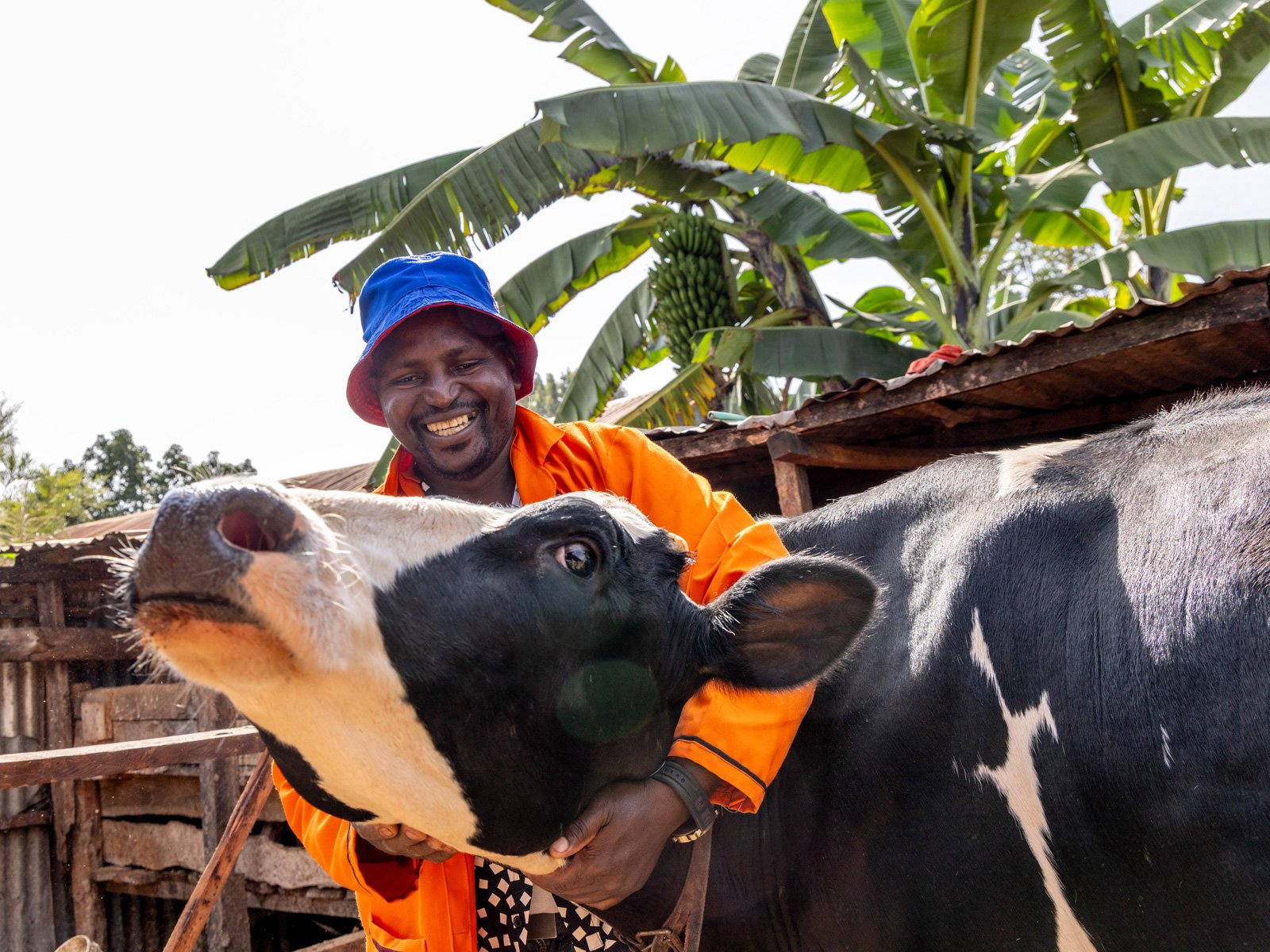
Smallholder farmers and rural entrepreneurs operate in fragmented value chains with low productivity, weak aggregation, limited bargaining power, and high exposure to climate shocks.
Even where effort and capability exist, structural barriers prevent households from moving beyond subsistence income levels.
Durable poverty reduction therefore depends on strengthening the rural economic system itself.
What is Entrepreneur Training?
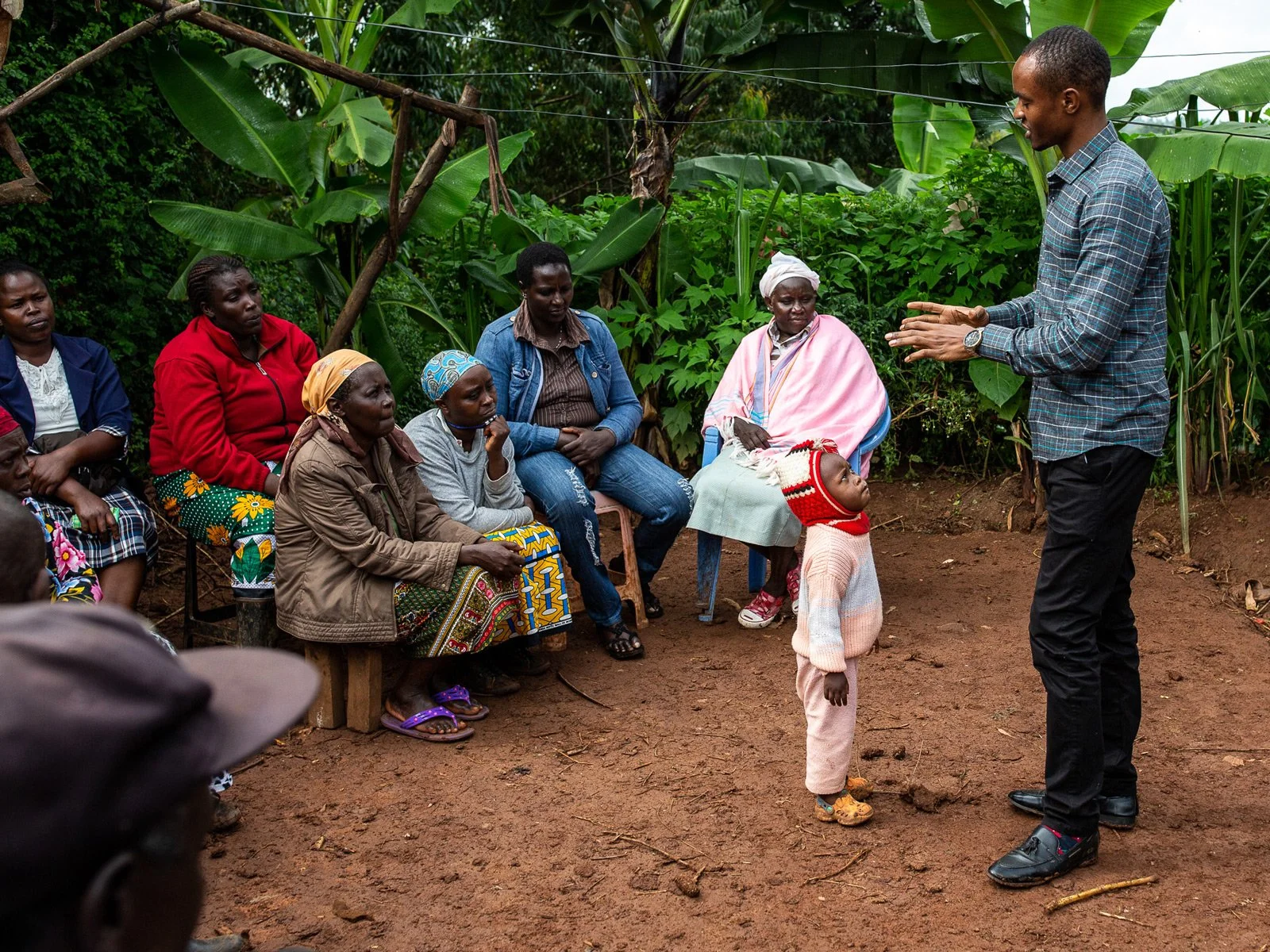
Entrepreneur Training portfolio builds structured income progression pathways that enable households to move from subsistence toward resilient, market-integrated livelihoods.
The portfolio combines complementary system levers:
Entrepreneurial and productive capability at household level
Competitive and well-structured value chains
Strong cooperatives providing aggregation and governance
Regenerative practices safeguarding long-term productivity
Together, these elements form a coherent rural economic architecture linking productivity, markets, institutions, and environmental sustainability.
How?
The portfolio operates across three interconnected system levels:
Households build entrepreneurial and agricultural capabilities.
Markets and value chains become more productive and reliable.
Institutional platforms provide coordination, scale, and stability.
By aligning incentives and progressively transferring responsibility to local actors, the Foundation strengthens the rural ecosystem as a whole.
The objective is institutional and financial self-sustainability: rural systems that continue to generate income growth independently.
Outlook
The next phase focuses on consolidating system maturity in Kenya and Tanzania by strengthening cooperative performance and value chain integration.
Future expansion will prioritize contexts where the full system architecture can be replicated sustainably.
Through this integrated approach, the Hilti Foundation contributes to resilient rural economies that enable stable income generation at scale.